
Quick answer
PVDF-coated aluminum panels use a fluoropolymer finish over prepared aluminum to support exterior color and weathering requirements. The project specification should name the approved coating system and define pretreatment, dry film thickness, color, gloss, adhesion, cure control and sample approval. Panel alloy, thickness, fabrication and exposure conditions must be reviewed separately because the coating does not determine structural performance.
This guide owns the exterior PVDF coating specification intent: coating layers, inspection evidence, finish approval and RFQ inputs. Panel construction and structural selection are covered separately in the solid aluminum panel and thickness resources linked below.
Apakah salutan PVDF pada panel aluminium?
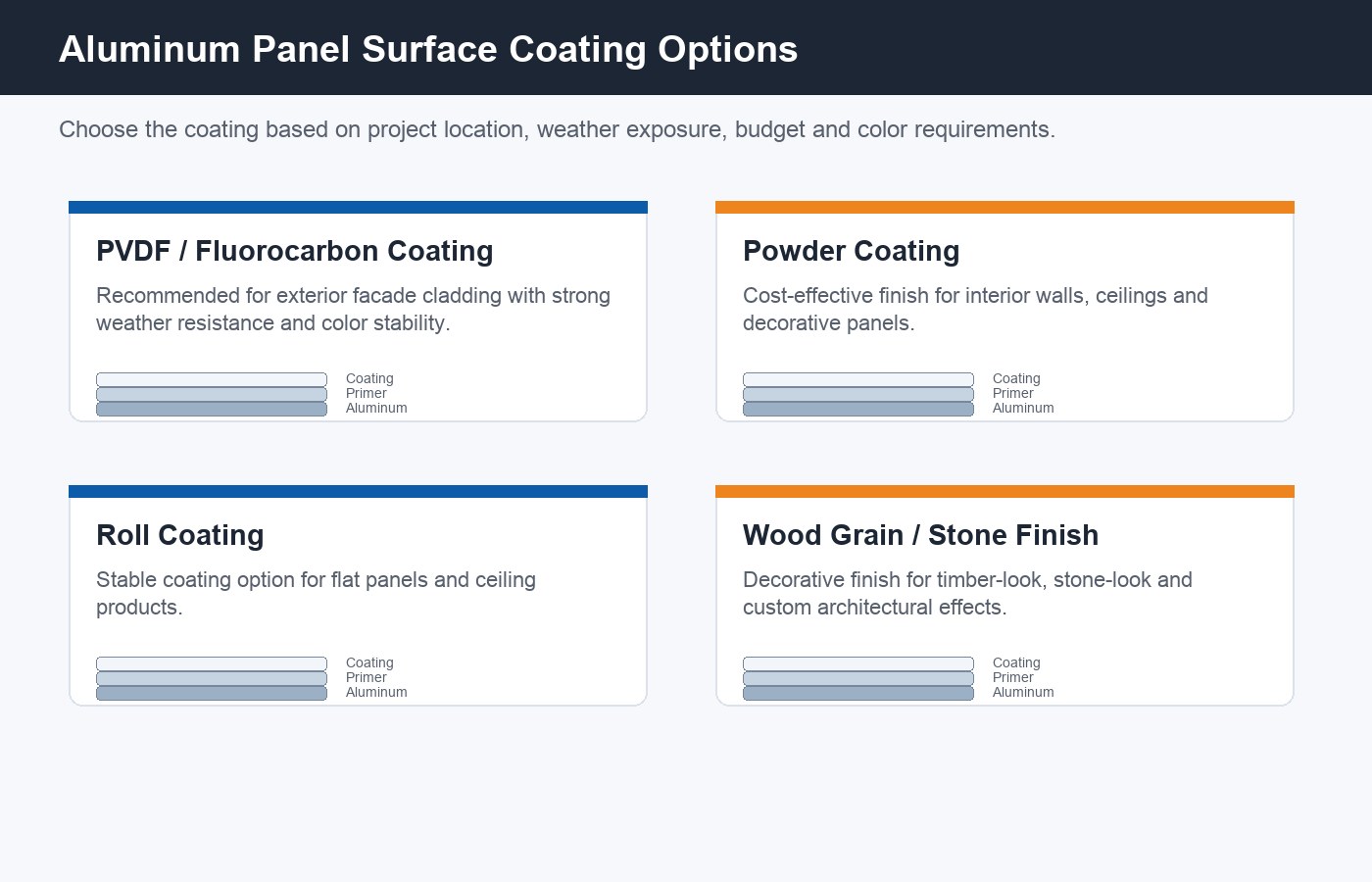
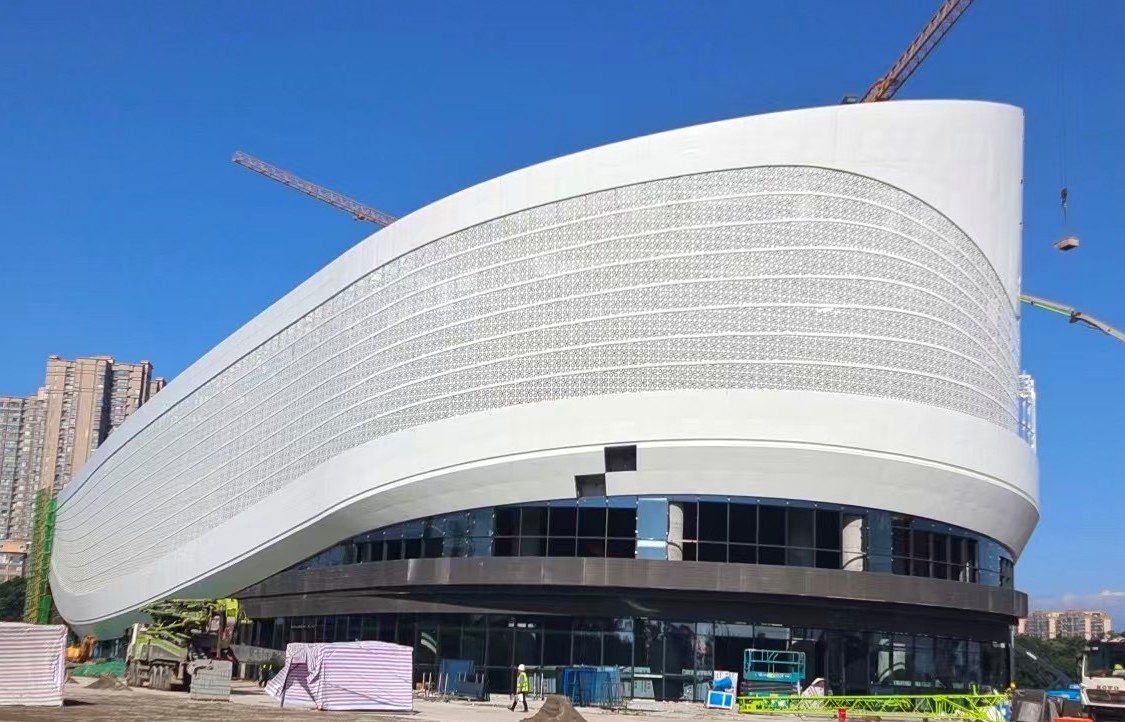
Salutan PVDF ialah kemasan fluorokarbon berprestasi tinggi yang diaplikasikan pada helaian aluminium atau panel yang dibentuk. Dalam kerja fasad seni bina, salutan ini biasanya ditetapkan untuk kawasan luaran yang terdedah seperti panel spandrel dinding tirai, penutup tiang, panel kanopi, pelapisan parapet dan skrin fasad hiasan.
An approved PVDF schedule may use pretreatment followed by primer, one or more base or color coats, and a clear topcoat where the named system requires it. Layer count and sequence are not universal. Follow the coating manufacturer’s approved system and the project specification, including coverage of visible faces, fabricated edges, welded areas and returns.
Mengapa PVDF penting untuk fasad luaran
Exterior exposure can involve sunlight, rain, coastal air, dust, cleaning chemicals and temperature movement. PVDF is one coating option used for architectural cladding, but the word “exterior” does not define a complete finish schedule. Exposure, color and gloss criteria, cleaning method, fabrication sequence and the approved coating system all need review.
- Tie the finish to an approved coating system rather than a generic “PVDF” label.
- Approve color and gloss against a physical sample under agreed viewing conditions.
- Define panel orientation and batch control for metallic or directional finishes.
- Include fabricated edges, returns and repaired areas in the coating review.
- Record the agreed inspection points before mass production starts.
Bagaimana untuk menentukan panel aluminium bersalut PVDF
A finish quotation needs more than a color name. State the approved coating system, required layers, dry film thickness, color and gloss reference, sample status, inspection points, panel fabrication sequence and exposure conditions. Keep panel thickness, reinforcement, fixing and structural review in the panel schedule.
PVDF coating evidence and specification checklist
| Item | What to define or record |
|---|---|
| Pretreatment | Name the approved preparation and pretreatment route for the aluminum substrate, including fabricated and repaired areas. |
| Coating layers | State primer, base or color coat and topcoat only as required by the approved coating system. Do not assume every PVDF system uses the same layer count. |
| Dry film thickness | Define DFT by layer or total system, measurement method, sampling locations, frequency and acceptance range. |
| Color and gloss | Use the approved physical sample and project reference. Record gloss and any orientation or batch rule for metallic or directional finishes. |
| Adhesion and cure | Name the approved inspection method, timing and acceptance criteria. Record the result without treating it as proof of any unrelated standard. |
| Sample and first article | Keep the approved finish sample and, when required, a first finished panel for comparison before mass production. |
| QC record | Record coating batch, measured values, visual findings and the disposition of touch-up, repair or rejected areas under the agreed inspection plan. |
Keep panel construction separate from the coating schedule
PVDF identifies a finish system, not the required panel alloy, thickness or reinforcement. Review those construction inputs against panel size, folds, supports, loads and the released drawings. Keeping the two decisions separate prevents a coating label from being mistaken for a complete facade panel specification.
Kawalan warna dan kemasan
Kawalan warna adalah penting kerana panel fasad dilihat di kawasan yang luas di bawah cahaya semula jadi. Bagi warna tersuai, pembeli hendaklah meluluskan sampel fizikal sebelum pengeluaran. Bagi kemasan logam atau arah, orientasi panel dan kawalan kumpulan juga perlu disahkan, jika tidak fasad mungkin akan menunjukkan tona tidak sekata selepas pemasangan.
Pengilangan sebelum pelapisan atau selepas pelapisan
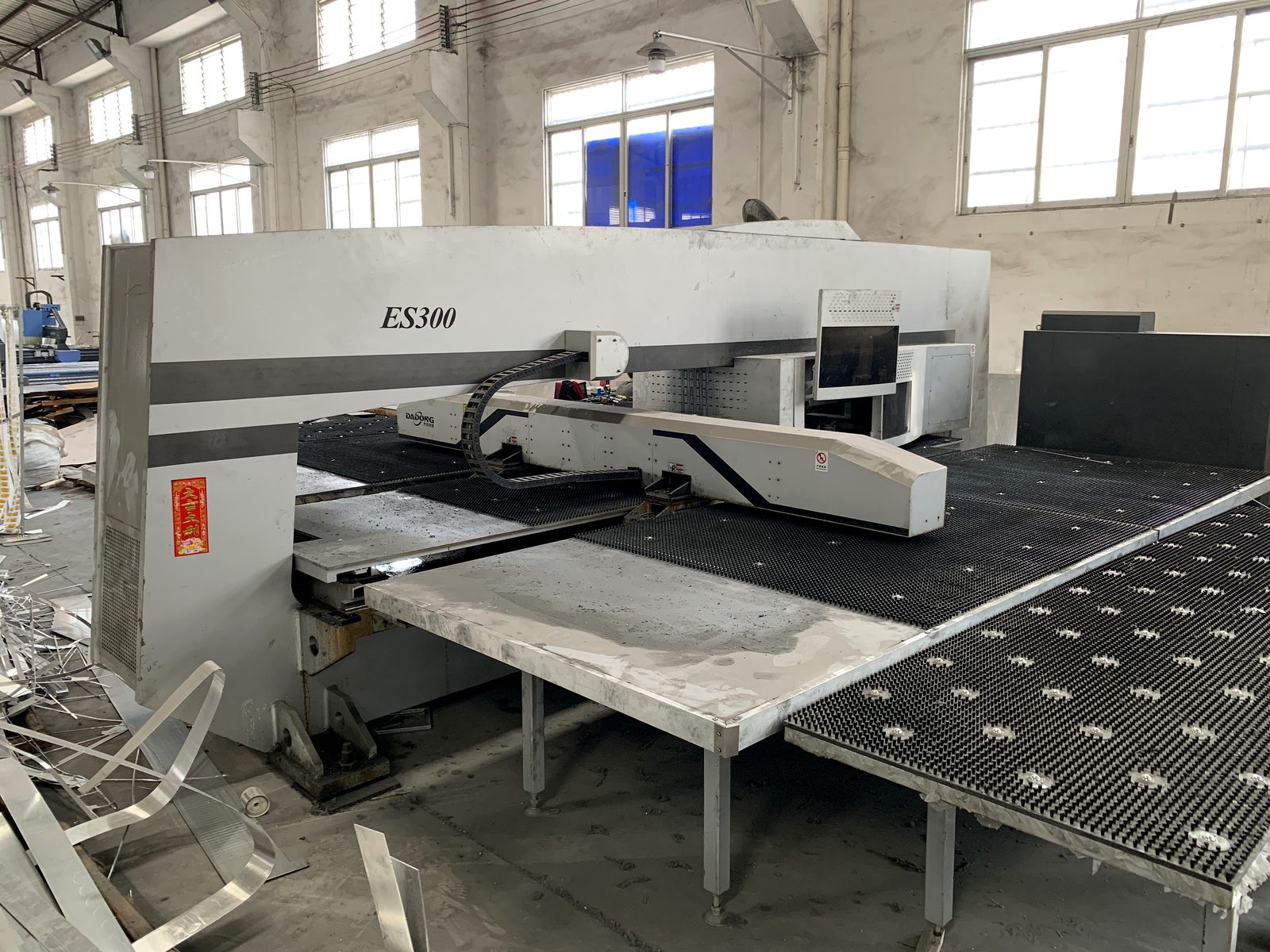
Banyak panel aluminium seni bina dihasilkan sebelum salutan akhir supaya permukaan yang kelihatan, tepi lipatan dan bahagian balik dapat menerima kemasan yang konsisten. Bagi helaian rata yang mudah, bahan bersalut awal mungkin boleh digunakan, tetapi panel fasad yang kompleks biasanya memerlukan perancangan pembuatan di kilang. Ini amat penting bagi panel melengkung, panel aluminium berlubang dan elemen fasad 3D.
Soalan untuk ditanya sebelum membuat pesanan
Before choosing a supplier, ask how the coating schedule will be released, sampled and checked. Clear answers at this stage reduce avoidable questions during drawing approval and production.
- Aloi dan ketebalan apakah yang disyorkan untuk saiz panel dan kaedah pemasangan?
- Which approved PVDF coating system, layer sequence and DFT are required?
- Bolehkah kilang menyediakan sampel warna sebelum pengeluaran besar-besaran?
- Bagaimana tepi buatan, sudut kimpalan dan sambungan balik yang kelihatan dilayan?
- Apakah toleransi yang digunakan untuk saiz panel, lipatan dan kedudukan lubang?
- Bagaimana panel dilabel, dilindungi dan dibungkus untuk dieksport atau dipasang di tapak?
Drawing and coating review for quotation
Punchuk can review facade drawings, panel schedules and finish requirements before quotation. The review can cover panel construction, fabrication sequence, coating schedule, color sample, visible returns, protection and packing. Final coating acceptance remains tied to the approved project documents and the agreed inspection plan.
For panel construction, review panel aluminium pepejal dan aluminum cladding thickness guide. The factory capability page explains drawing, forming, coating and QC coordination. Send the finish schedule and panel drawings for a technical and quotation review.
Senarai semak petikan praktikal
Prepare facade elevations, panel schedules, sections and quantities. Add the proposed alloy and thickness, coating system if nominated, color and gloss reference, exposure conditions, sample and QC requirements, packing method and destination. Mark visible returns, welded areas and any directional finish orientation on the drawings.
Frequently asked questions
What should a PVDF coating specification include?
Name the approved coating system or manufacturer where the project requires one, then define pretreatment, layer sequence, dry film thickness, color, gloss, adhesion, cure control, sample approval and the agreed QC record. Panel alloy, thickness and fabrication details belong in the panel specification as separate items.
Is PVDF coating the same as powder coating?
No. PVDF and powder coating are separate finish systems with different materials, application processes and approval requirements. This guide covers PVDF exterior coating evidence. If powder coating is under consideration, review it through its own project finish requirement and approved sample.
How should dry film thickness be checked?
Follow the approved coating schedule and inspection method. Define whether the requirement applies by layer or to the total system, then record the measurement method, sampling locations, frequency and acceptance range. Use a calibrated gauge when the named inspection method requires one.
Should aluminum panels be coated before or after fabrication?
There is no universal sequence. Complex solid aluminum panels are commonly cut, formed and welded before the final finish so visible faces, returns and fabricated areas can be covered by the approved system. The released shop drawings and coating process should confirm the sequence for each panel type.
What information is needed to quote PVDF-coated facade panels?
Send facade elevations, panel schedules, sections and quantities together with the proposed alloy and thickness, coating system if nominated, color and gloss reference, exposure conditions, sample requirements, QC points, packing method and destination. Mark any visible returns, welded areas or directional finish orientation on the drawings.
 Malay
Malay  English
  Vietnamese
  Indonesian
  Arabic
  Thai
Thai  Chinese
  Russian
  Kazakh
  Spanish