
Quick answer: A solid aluminum panel is formed from one metal sheet and suits custom folds, welded corners, perforation and curved modules. ACP bonds aluminum skins to a core and often suits regular flat areas when the specified core and assembly are approved. Neither name proves fire performance. Compare drawings, forming needs, repairs, coating, applicable test reports, local code and total installed system cost.
Panel aluminium satu lapisan dan panel komposit aluminium kedua-duanya digunakan untuk pelapisan fasad, hiasan dinding dan pembungkusan bangunan komersial, tetapi ia menyelesaikan masalah projek yang berbeza. Pilihan yang tepat bergantung pada bentuk panel, keperluan kebakaran, kod tempatan, bajet, beban angin, ketahanan kemasan, butiran pemasangan dan tahap penyesuaian yang diperlukan oleh reka bentuk fasad.
Bagi ramai pembeli, persoalannya bukan sekadar bahan mana yang lebih baik. Pembaharuan fasad kedai rata, kanopi pintu masuk melengkung, skrin dinding tirai berlubang dan fasad bangunan bertingkat tinggi semuanya mungkin memerlukan sistem panel yang berbeza. Panduan ini membandingkan panel aluminium satu lapis, juga dipanggil panel aluminium pepejal atau panel veneer aluminium, dengan panel komposit aluminium supaya kontraktor dan pengimport dapat menyediakan spesifikasi yang lebih jelas sebelum meminta sebut harga.
Perbandingan Pantas
| Item | Panel Tunggal Aluminium | Panel Komposit Aluminium |
|---|---|---|
| Struktur | Lembaran aluminium pepejal, dihasilkan dengan memotong, membengkokkan, mengimpal dan menyiapkannya. | Panel sandwic dengan lapisan aluminium dan bahan teras. |
| Penggunaan terbaik | Pembalutan fasad tersuai, panel melengkung, skrin berlubang, tiang, soffit dan kerja logam premium. | Pelapisan dinding rata, papan tanda, kawasan luaran ringkas dan dekorasi dalaman yang diluluskan oleh kod. |
| Kemampuan membentuk | Kuat untuk tepi yang dilipat, sudut yang dikimpal, modul melengkung dan bentuk tidak teratur. | Sesuai untuk panel rata dan lipatan ringkas, tetapi terhad untuk pembentukan berat dan kimpalan. |
| Keperluan kebakaran | Solid metal sheet without a bonded core. Fire classification for the complete assembly must come from the specified, applicable test report and local approval. | Perlu menyemak jenis teras, kod kebakaran tempatan dan keperluan kelulusan projek. |
| Pembaikan dan fabrikasi | Boleh menyokong pembaikan logam, pengamplasan, pengukuhan dan rusuk belakang tersuai. | Biasanya diganti sebagai helaian panel dan bukannya dibaiki seperti kerja logam. |
| Belanjawan | Biasanya kos bahan dan pembuatan yang lebih tinggi, terutamanya untuk bentuk yang kompleks. | Sering kali lebih menjimatkan untuk pelapisan rata standard. |
Apakah panel aluminium tunggal?
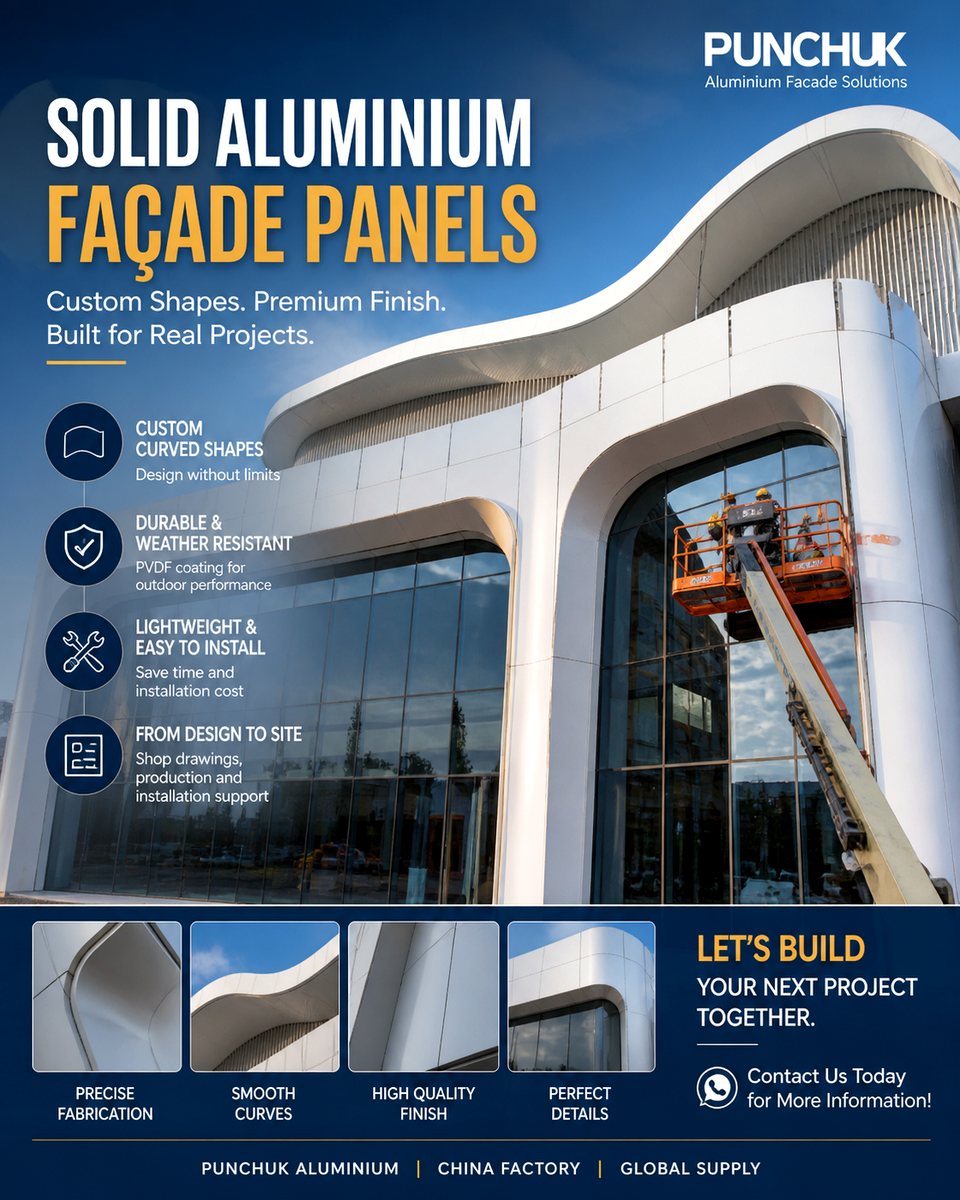
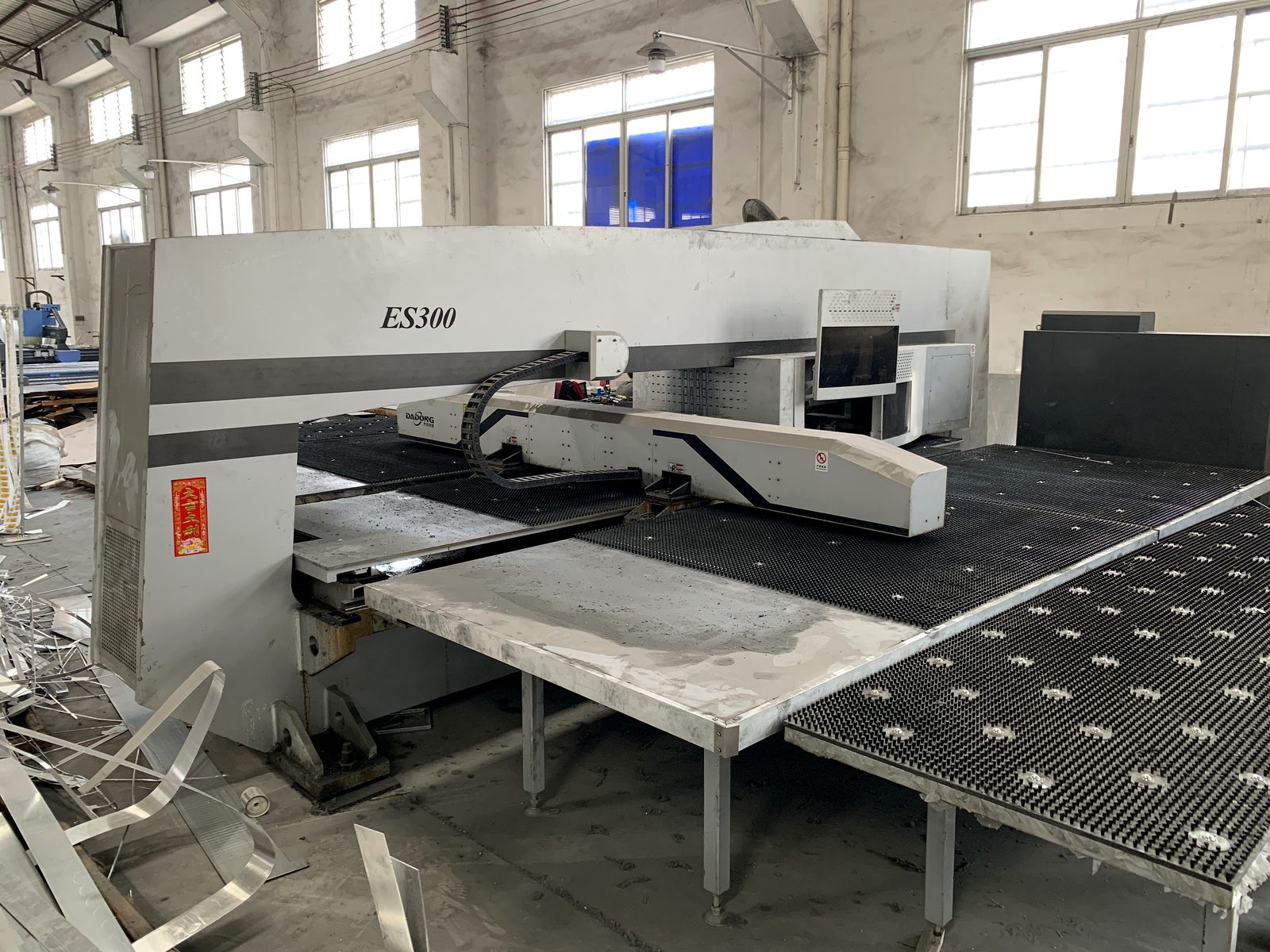
Panel aluminium satu panel diperbuat daripada satu keping helaian aluminium pepejal. Ia diproses melalui pemotongan CNC, pembengkokan, penggulungan, pengelasan, pengamplasan, pengilat, rawatan awal dan kemasan permukaan. Dalam projek fasad, pembeli juga mungkin memanggilnya panel aluminium pepejal, panel veneer aluminium, panel plat aluminium atau panel pelapisan aluminium.
Project documents should state the aluminum alloy and temper, nominal sheet thickness, folded return edges, stiffeners, installation holes and finish. Punchuk is a brand, not an alloy designation. Any material grade, coating or fire classification must be supported by the applicable order documents or test report before it is stated as a project fact.
Apakah Panel Komposit Aluminium?
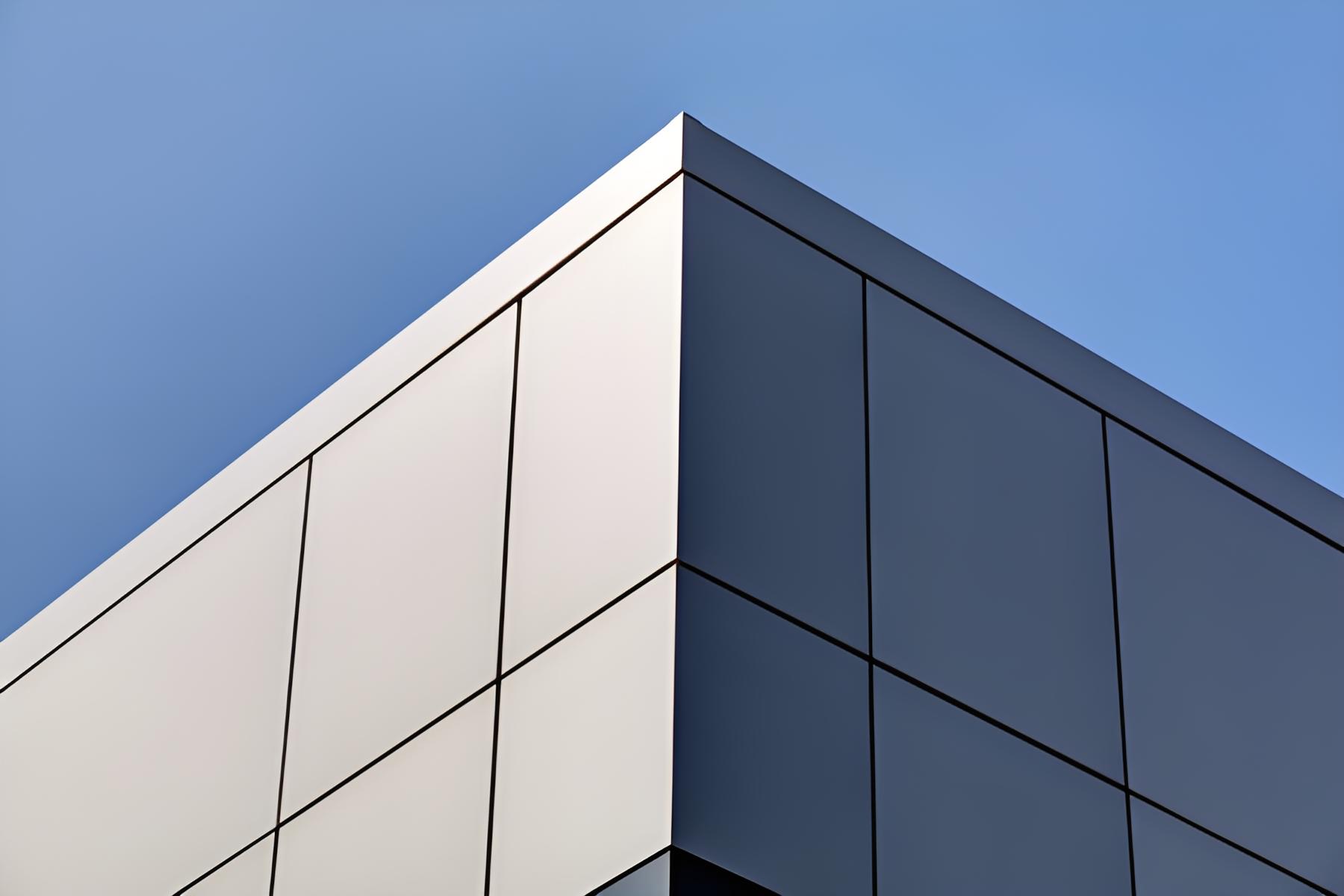
Panel komposit aluminium ialah helaian berlapis yang diperbuat daripada lapisan aluminium yang dilekatkan pada bahan teras. Ia banyak digunakan untuk dinding luaran rata, pengubahsuaian bangunan, fasad kedai, sokongan papan tanda, pembalutan tiang dan hiasan dinding dalaman. ACP boleh berkesan apabila kawasan fasad rata, saiz modul adalah teratur dan spesifikasi projek membenarkan sistem ini.
Apabila membandingkan ACP, pembeli harus memberi perhatian kepada ketebalan keseluruhan, ketebalan lapisan aluminium, jenis teras, penarafan kebakaran, jenis salutan, keseragaman warna, kawalan siri dan kelulusan tempatan. Panel komposit boleh menjadi pilihan yang praktikal, tetapi ia tidak seharusnya dianggap sebagai pengganti langsung bagi panel aluminium pepejal dalam setiap keadaan fasad luaran.
Perbezaan Utama untuk Projek Fasad
Bentuk dan fabrikasi: Panel aluminium pepejal lebih sesuai untuk permukaan melengkung, tepi yang dilipat, lekuk dalam, sudut yang dikimpal, corak berlubang, penutup tiang dan butiran fasad tiga dimensi. Panel komposit aluminium lebih sesuai untuk permukaan rata dan susun atur panel yang ringkas.
Semakan kebakaran dan kod: Panel aluminium pepejal mempunyai badan logam, tetapi keselamatan fasad masih bergantung kepada keseluruhan sistem dinding, termasuk penebat, salutan, sub-bingkai dan pemasangan. Bagi panel komposit aluminium, bahan teras dan penarafan kebakaran perlu diperiksa dengan teliti mengikut kod tempatan dan keperluan kelulusan projek.
Kerapian dan berat: ACP boleh menyediakan rataan yang baik pada berat yang lebih rendah untuk modul rata standard. Panel aluminium pepejal lebih berat pada saiz yang sama, tetapi ia memberikan fleksibiliti kerja logam yang lebih kuat dan membolehkan pengukuhan tersuai untuk panel yang lebih besar atau lebih kompleks.
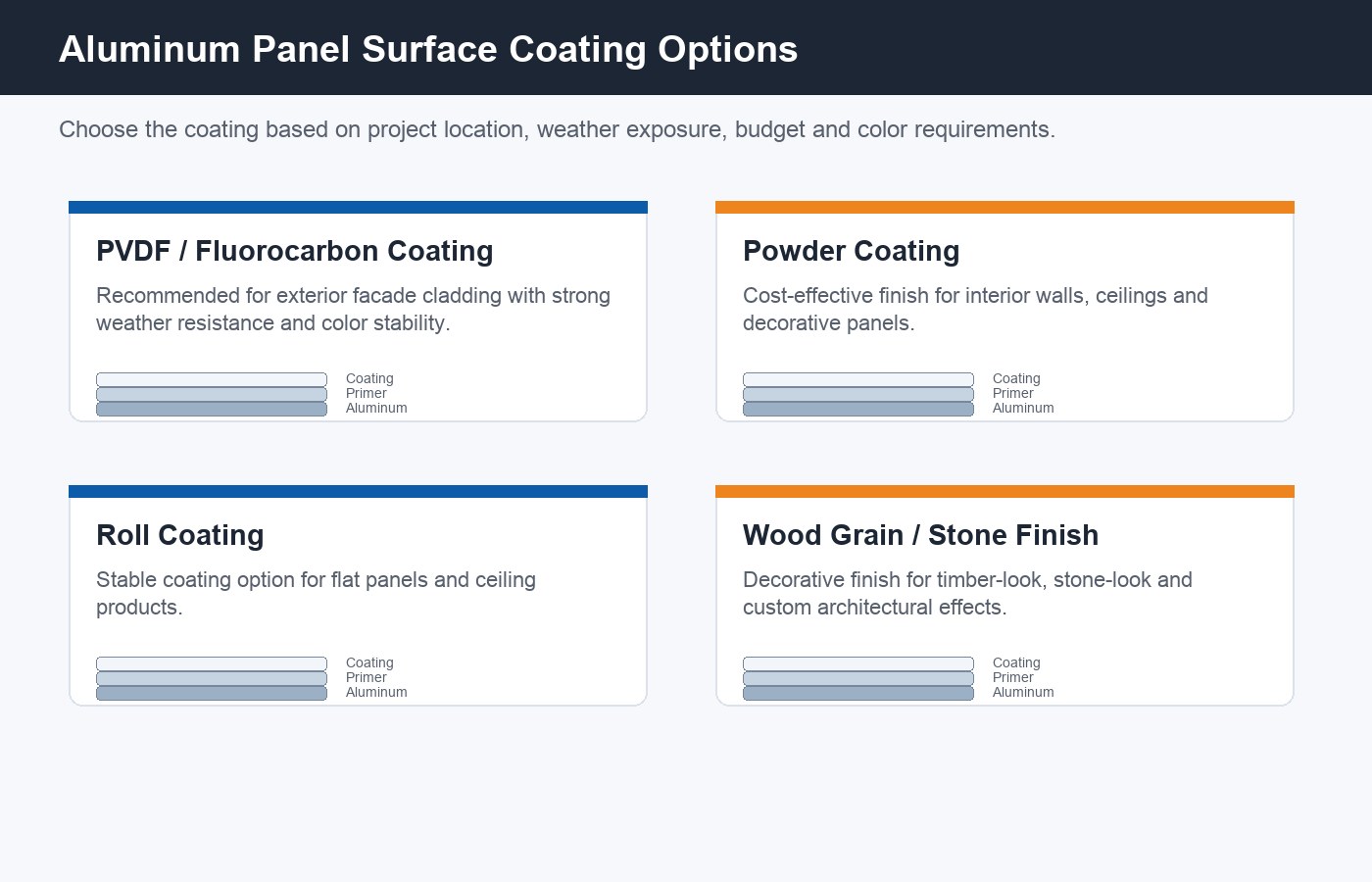
Pilihan kemasan: Kedua-dua sistem boleh menggunakan salutan PVDF, salutan serbuk dan kemasan hiasan. Projek luaran hendaklah mengesahkan jenama salutan, ketebalan salutan, kod warna, tahap kilap, kelulusan sampel dan jangkaan waranti sebelum pengeluaran besar-besaran.
Bilakah Memilih Panel Aluminium Pepejal
- Fasad memerlukan panel melengkung, tepi yang dilipat, sudut yang dikimpal atau geometri 3D tersuai.
- Reka bentuk ini merangkumi skrin berlubang, corak dipotong laser, penutup tiang, soffit atau panel kanopi.
- Projek ini memerlukan perincian logam yang lebih kukuh, kerja permukaan yang boleh diperbaiki atau pengukuhan belakang tersuai.
- Pembeli mahukan kemasan logam seni bina premium untuk hotel, bangunan komersial, projek awam atau pintu masuk yang mudah dilihat.
- Lukisan-lukisan tersebut memerlukan fabrikasi panel demi panel dan bukannya pemasangan helaian standard.
Apabila Panel Komposit Aluminium Mungkin Sesuai
- Projek ini menggunakan modul dinding rata biasa dengan pembentukan tersuai yang terhad.
- Kecekapan belanjawan dan pemasangan pantas lebih penting daripada fabrikasi logam yang kompleks.
- Jenis teras ACP yang dipilih dan prestasi kebakarannya memenuhi peraturan pembinaan tempatan.
- Butiran fasad tidak memerlukan kimpalan, pembentukan tepi berat atau bentuk lengkung dalam.
- Projek ini adalah ruang hadapan kedai, kawasan papan tanda, dinding dalaman atau pengubahsuaian berkompleks rendah.
Senarai Semak Sebut Harga untuk Pembeli
Sebelum meminta harga, sediakan pelan fasad, jadual panel, saiz panel, keperluan ketebalan, keperluan aloi atau bahan, jenis kemasan, kod warna, tahap kilap, keperluan kebakaran, lukisan pemasangan, anggaran kuantiti dan lokasi projek. Jika anda masih membandingkan bahan, hantarkan kedua-dua hasrat reka bentuk dan sasaran bajet supaya Punchuk dapat mencadangkan sama ada panel aluminium pepejal, panel komposit aluminium atau panel sarang lebah aluminium yang lebih sesuai.
Pautan Produk dan Panduan Berkaitan
Untuk pilihan produk, semak panel aluminium pepejal, panel komposit aluminium, panel pelapisan aluminium dan panel sarang lebah aluminium. Untuk bacaan spesifikasi yang lebih mendalam, lihat Panduan Ketebalan Panel Pelapisan Aluminium, Panel Aluminium Berlapis PVDF untuk Fasad Luaran dan Proses Kilang Panel Pelapisan Aluminium.
Soalan Lazim
Adakah panel aluminium satu panel sama dengan panel aluminium pepejal?
Ya. Di banyak pasaran fasad, panel aluminium satu panel, panel aluminium pepejal, panel veneer aluminium dan panel plat aluminium merujuk kepada panel logam fabrikasi yang dibuat daripada helaian aluminium pepejal.
Adakah panel komposit aluminium sentiasa lebih murah?
Untuk pelapisan rata standard, ACP sering kali lebih ekonomik. Walau bagaimanapun, kos akhir bergantung pada teras berpenarafan kebakaran, salutan, saiz panel, kadar pembaziran, kaedah pemasangan, kuantiti projek dan keperluan kelulusan tempatan.
Panel manakah yang lebih baik untuk pelapisan fasad melengkung?
Panel aluminium pepejal biasanya lebih baik untuk pelapisan fasad melengkung kerana ia boleh digulung, dibengkokkan, dikimpal dan diperkuat mengikut lukisan bengkel. ACP mempunyai lebih banyak had apabila jejari atau butiran tepi menjadi kompleks.
Bolehkah Punchuk membantu membandingkan kedua-dua bahan untuk satu projek?
Ya. Hantarkan lukisan, spesifikasi, keperluan kemasan dan lokasi projek. Punchuk boleh menyemak niat fasad dan mencadangkan penyelesaian panel pelapisan aluminium yang sesuai untuk sebut harga.
 Malay
Malay  English
  Vietnamese
  Indonesian
  Arabic
  Thai
Thai  Chinese
  Russian
  Kazakh
  Spanish