
Aluminium Cladding Buyer Summary
Aluminium cladding panels are used for exterior wall cladding, facade cladding, curtain wall decoration, soffits, entrances, column covers and commercial building renovation. For buyers comparing aluminium wall cladding, aluminium facade cladding and aluminum cladding panels, the key decision is not only the panel name. Thickness, alloy, coating, panel size, folded edge, reinforcement, fixing detail and export packing all affect the final project result.
- Best-fit projects: hotels, commercial buildings, retail fronts, public buildings, transport areas, offices and renovation facades.
- Common panel choices: solid aluminum panels, perforated aluminum panels, PVDF coated panels, wood look aluminum panels and shaped facade panels.
- Детали предложения: drawings, panel layout, thickness, finish, color, quantity, destination country, packing requirement and delivery schedule.
Related Punchuk resources: aluminum and aluminium cladding products, aluminum cladding panel category, Проект фасада отеля в Малайзии, и отправить чертежи для расчета стоимости.
Quick answer: Aluminium wall cladding panels are project-made exterior modules selected by panel construction, geometry, joints, supports, finish and exposure. Solid sheets suit folded returns, welded corners and custom forms. Perforated panels add screening or ventilation. ACP may suit approved flat applications. Final selection must follow drawings, design loads, local requirements and the applicable material or test documents.
Aluminium wall cladding panels are used to create durable, lightweight and visually clean exterior wall systems for commercial buildings, hotels, retail fronts, public buildings, transport areas and renovation projects. They are also searched as aluminum wall panels, aluminium cladding panels, aluminum facade panels and solid aluminum panels depending on the buyer’s market.
This guide helps architects, facade contractors and buyers separate broad wall-cladding selection from thickness, perforation and material-comparison decisions. It covers panel type, finish, joints, supports and the information needed before drawings are reviewed for quotation.
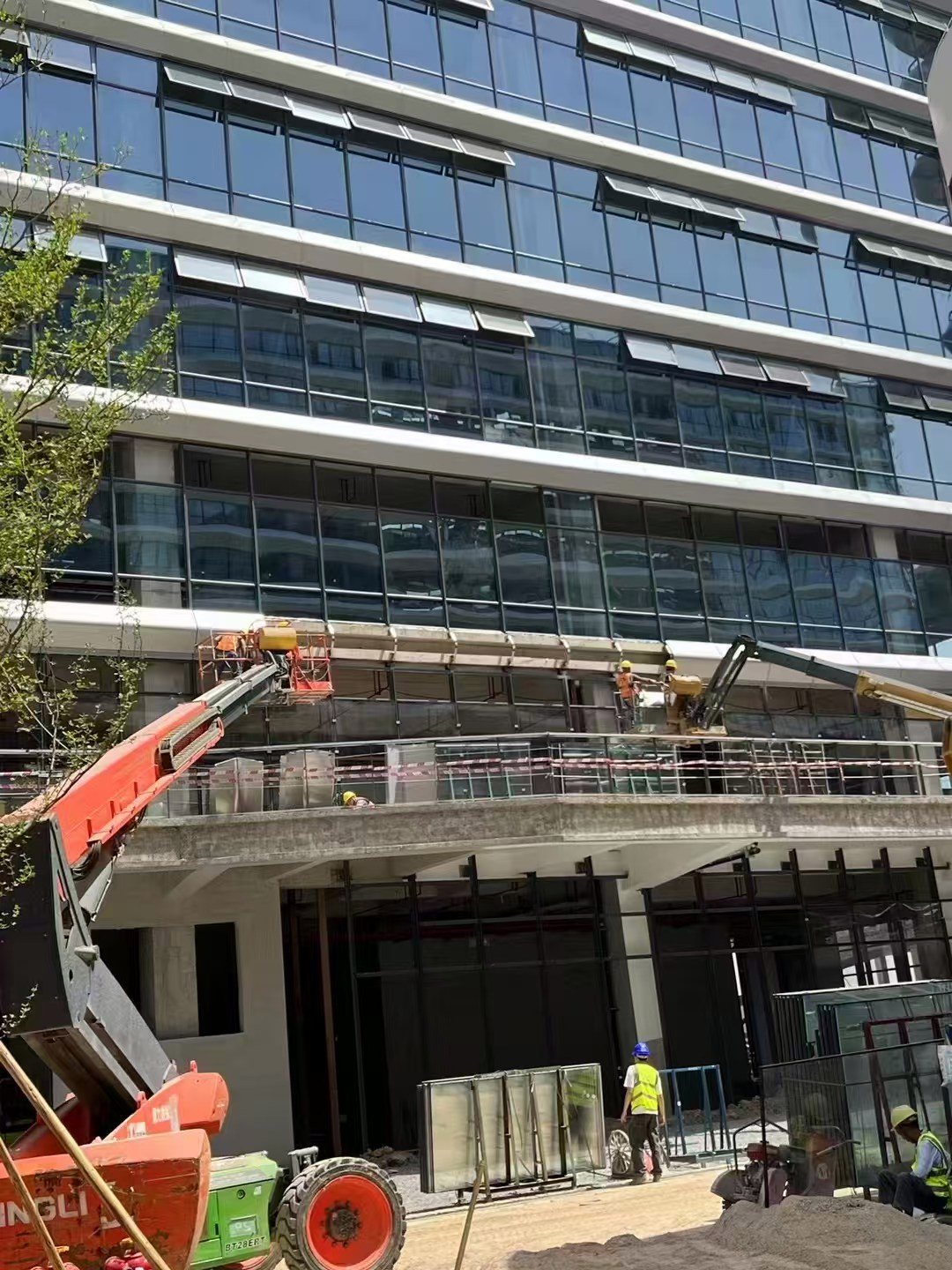
What are aluminium wall cladding panels?
Aluminium wall cladding panels are fabricated metal panels fixed to a building wall, sub-frame or curtain wall support system. In exterior projects, they help protect the wall, improve the facade appearance and create a modern architectural finish. Compared with heavy stone or precast materials, aluminium panels are lighter and easier to fabricate into folded edges, curved surfaces, perforated screens and custom shapes.
Common product choices include панели из цельного алюминия, perforated aluminium panels, 3D aluminium facade panels, laser carved panels and wood grain aluminium wall panels. The best choice depends on the design intent, wind load, fixing method, budget and coating requirement.
Solid aluminum panels vs composite panels
Solid aluminum panels, also called aluminum single panels or aluminium veneer panels, are made from aluminum sheet and formed according to the approved drawings. They are suitable for folded edges, welded corners, curved panels, perforation, column covers and facade areas where custom fabrication is required.
Aluminum composite panels can be economical for flatter surfaces, but they are not always the best choice for complex 3D forms, deep folded returns or heavy-duty exterior details. For projects that need stronger formability and a more custom metalwork appearance, solid aluminium panels are often preferred. For a deeper comparison, read Цельнолитая алюминиевая панель против композитной алюминиевой панели.
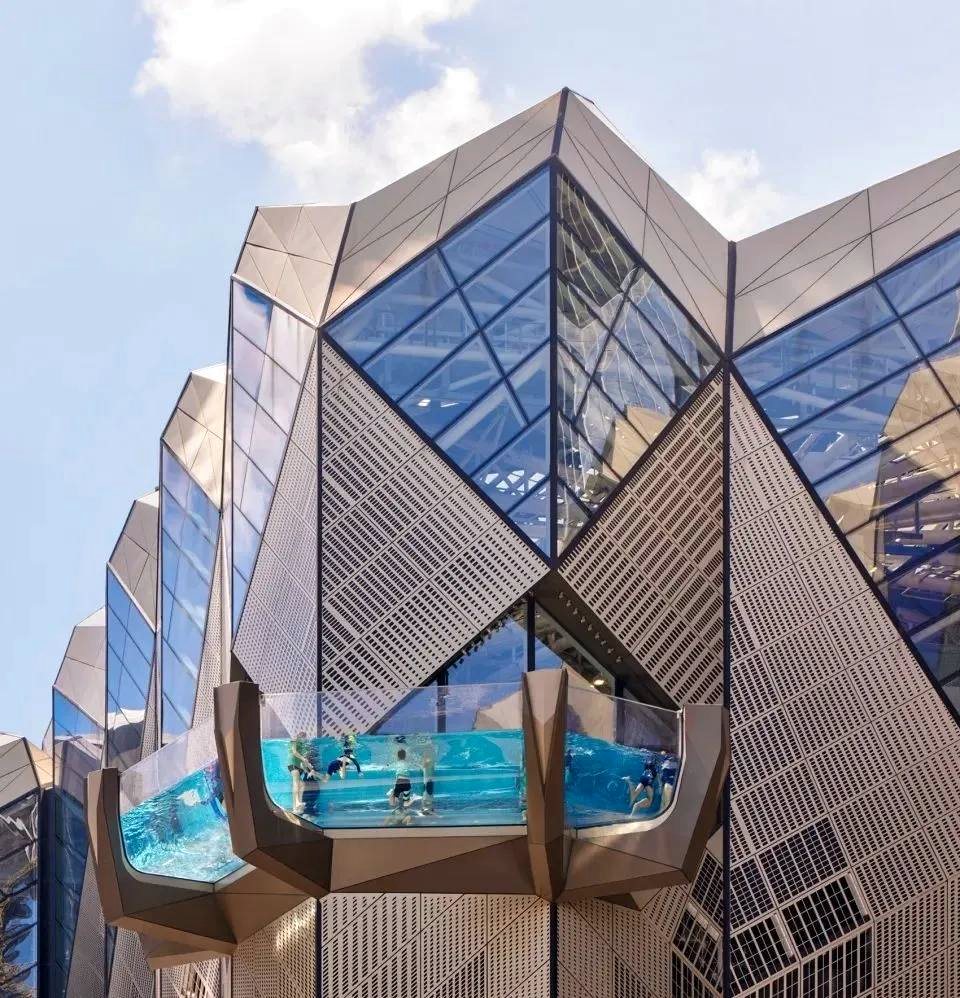
Finish options for exterior aluminium cladding
Exterior aluminium wall cladding needs a finish that can resist weather, UV exposure and cleaning cycles. PVDF coating or fluorocarbon coating is commonly used for exterior facade projects because it offers stronger color retention and weather resistance. Powder coating can be suitable for many interior, protected or lower-exposure applications, while anodizing and wood grain effects can support specific design requirements.
Before production, buyers should confirm the color code, gloss level, coating system, sample approval method and expected project environment. For coastal areas, high humidity markets or strong sun exposure, the coating specification should be reviewed carefully. See also PVDF Aluminum Panels for Exterior Facade Cladding.
Key specification details buyers should provide
- Panel type: solid aluminum panel, perforated panel, 3D panel, column cover, baffle or composite panel.
- Panel thickness, alloy preference and project standard if already specified.
- Panel size, folded edge depth, joint width, corner welding and reinforcement requirements.
- Surface finish: PVDF coating, powder coating, anodizing, wood grain or custom color.
- Perforation pattern, open area, hole spacing and edge distance for screen panels.
- Installation method, bracket layout, sub-frame condition and site measurement tolerance.
- Packing, labeling and export delivery requirements for overseas construction sites.
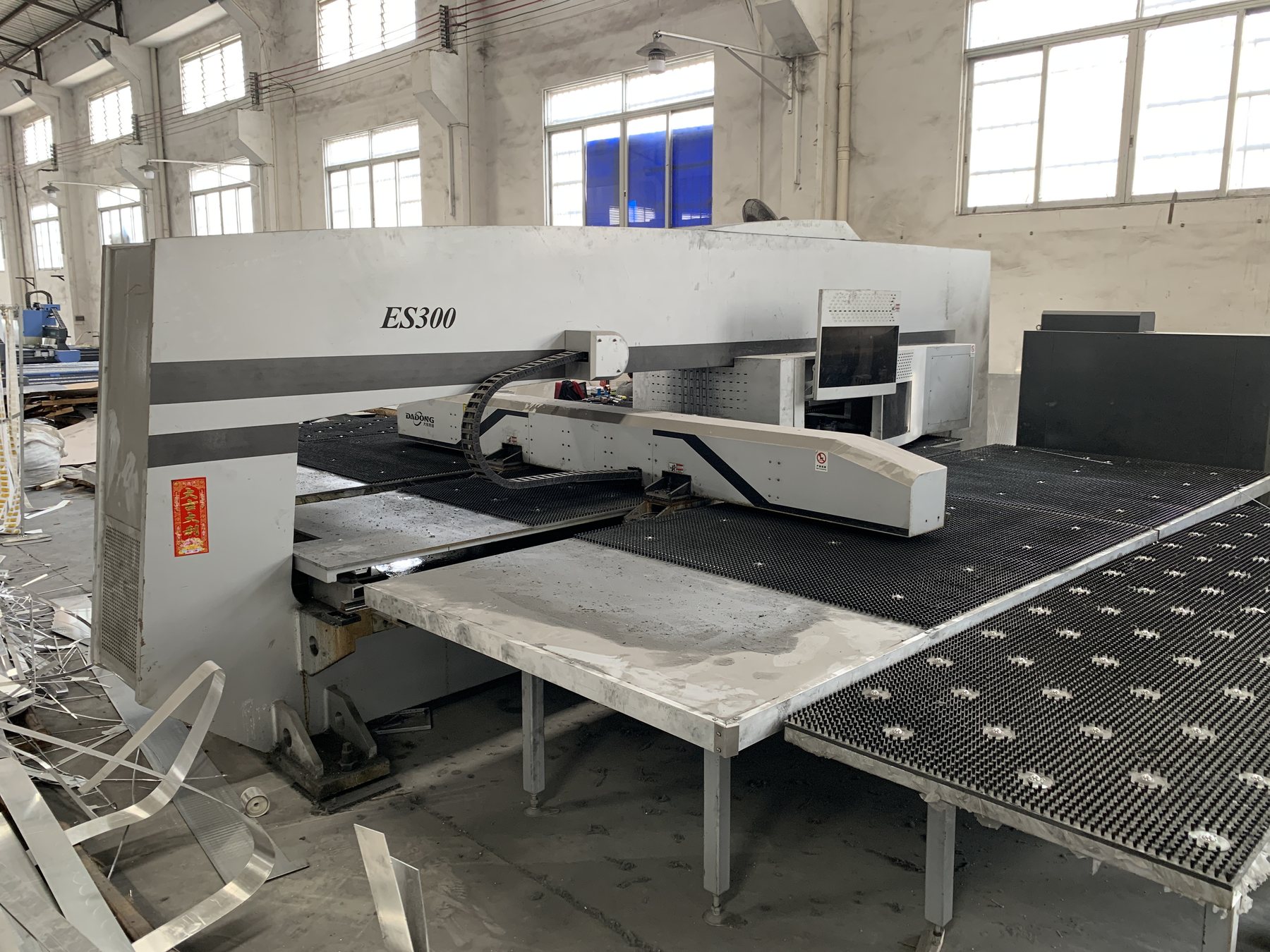
Where aluminium wall cladding is commonly used
Aluminium wall cladding panels are widely used on office buildings, shopping centers, hotels, schools, hospitals, airports, stations, apartment podiums, public buildings and retail entrances. They can also be used for soffits, parapets, canopies, column covers, interior feature walls and renovation facades.
For Southeast Asia, Australia, the Middle East, Africa and other export markets, a practical supplier should be able to support drawing review, production samples, panel numbering and protective packing. These details matter because facade installation teams need clear identification and stable quality when panels arrive on site.
Why work with Punchuk for aluminium wall cladding?
Punchuk manufactures custom aluminium cladding panels according to project drawings. The factory can support CNC cutting, bending, welding, perforation, forming, reinforcement, coating and export packing for facade projects. Buyers can start from Алюминиевые стеновые панели, Алюминиевая облицовочная панель и Алюминий и облицовочные материалы из алюминия to compare product categories.
For project planning, it is best to send drawings, finish references, approximate quantity, installation location and delivery requirement. Punchuk can then review whether solid aluminum panels, perforated panels, composite panels or a mixed facade package is the better choice.
Связанные руководства
Continue with Solid Aluminum Panels for Facade Cladding, Factory Process and Quality Control, и Применение алюминиевой облицовки фасадов в проектах Азиатско-Тихоокеанского региона и развивающихся городов..
 Russian
  English
  Vietnamese
  Malay
Malay  Indonesian
  Arabic
  Thai
Thai  Chinese
  Kazakh
  Spanish