
Buyer guide · Solid aluminum facade panels
Quick answer: 2.0 mm is often evaluated for smaller or closely supported modules; 2.5 mm is a practical starting point for many mid-size custom facade panels; and 3.0 mm is often evaluated for larger modules, deeper forming or higher stiffness. Final selection depends on the complete panel system, not thickness alone.
- Real project evidence
- Factory detail checks
- Quotation-ready inputs
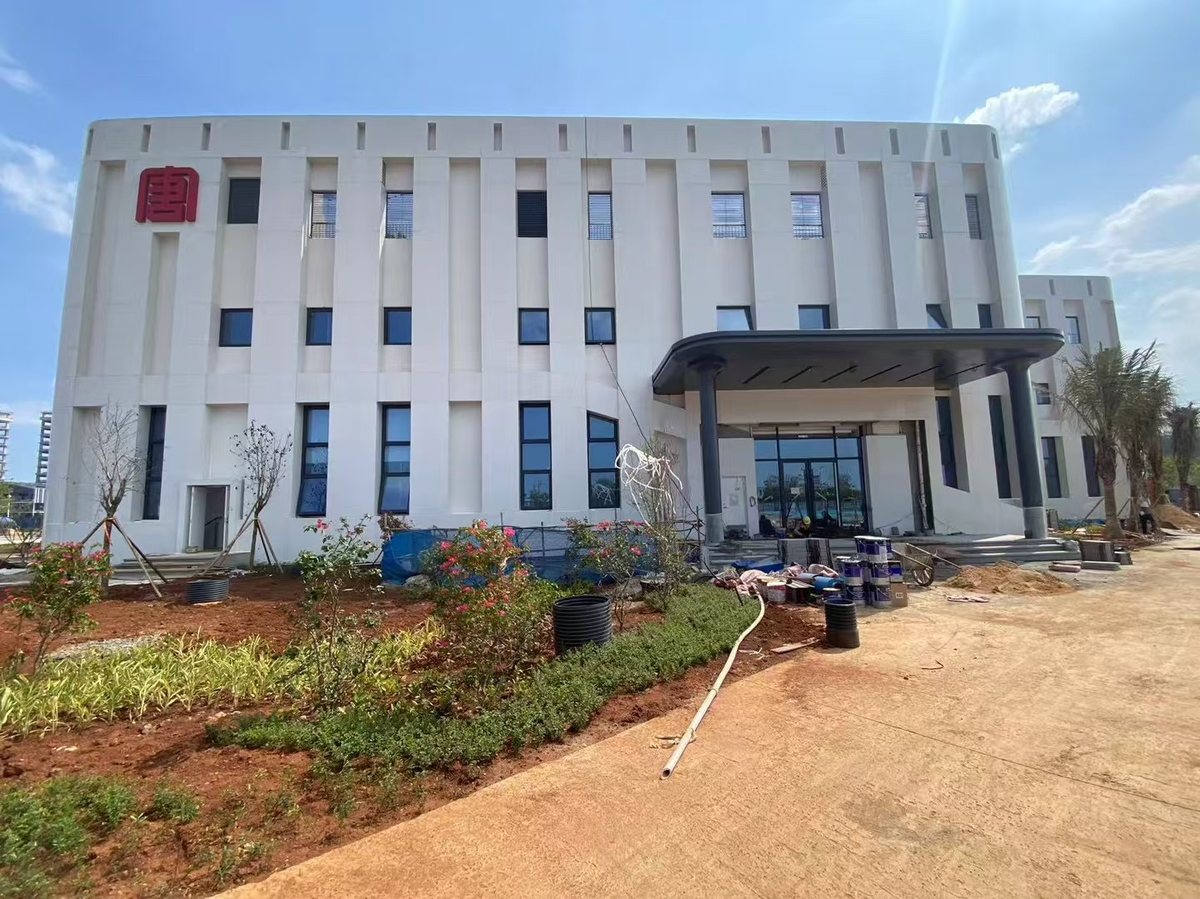
A practical starting point
2.0 vs 2.5 vs 3.0 mm aluminum cladding thickness
Review panel dimensions, unsupported span, folded returns, reinforcement, connections, finish and project exposure before confirming a thickness.
Starting point
Smaller or closely supported modules
Interior panels, soffits or controlled exterior areas can begin here for project review.
Starting point
Many mid-size custom facade panels
A balanced starting point when weight, forming and rigidity must be reviewed together.
Starting point
Larger modules or deeper forming
Often evaluated where higher stiffness, larger covers or more demanding geometry is involved.
Thickness is not a standalone specification. Final selection follows project drawings, local requirements, structural review and sample approval.
 DRAWINGS BEFORE THICKNESS
Engineering check
Five inputs that can change the answer
A thicker sheet does not automatically correct wide support spacing, shallow returns or a weak connection detail.
- 01Panel sizeWidth, height and largest unsupported span.
- 02Wind and exposureProject location, height and design input.
- 03Folded returnsEdge depth, corners and formed geometry.
- 04ReinforcementStiffener layout, attachment and subframe.
- 05Finish expectationFlatness, gloss and visible surface quality.
Specification context
Why thickness alone is not enough
A fabricated solid aluminum panel normally includes folded edges, corner welding, brackets, stiffeners, surface treatment and protective packing. These details affect the finished panel together with sheet thickness.
Panel size and span
As panel width or height increases, the visible face becomes more sensitive to handling, support spacing and wind input. Record the largest unsupported span, not only the overall dimensions.
Wind load and building exposure
Exterior cladding on taller buildings, coastal sites and open corners requires the thickness, fixing concept and reinforcement layout to be reviewed as one system.
Finish and visual expectation
Large flat panels with glossy or metallic finishes may reveal surface waves more easily. Finish, flatness expectations, reinforcement and sample approval should be coordinated.
Perforation and formed geometry
Perforation removes material, while carving, faceting and 3D forming change load paths and fabrication limits. Hole pattern, border width, returns and back support all belong in the review.
Folded returns and stiffeners
Return depth and correctly designed stiffeners can improve rigidity, while shallow returns or wide support spacing can weaken an otherwise thicker panel.
Connections and subframe
The face sheet, brackets, fixing points, connections and subframe must be coordinated. Thickness alone does not verify structural performance or local-code compliance.
Buyer comparison
Starting thickness ranges by application
These ranges are discussion points for an RFQ, not project recommendations. Approved drawings, engineering review and local requirements remain the final reference.
| แอปพลิเคชัน | Starting review range | Checks before specification |
|---|---|---|
| Smaller exterior panels | 2.0–2.5 mm | Panel size, support spacing, return depth, wind input and handling. |
| General custom facade panels | 2.5–3.0 mm | Largest unsupported span, stiffener layout, fixing method and finish. |
| Larger modules or column covers | 3.0 mm or reinforced review | Connections, subframe, fabrication limits, weight and project engineering. |
| Perforated facade screens | 2.5–3.0 mm starting review | Open area, edge distance, border width, formed returns and back support. |
Terminology note: “Aluminum cladding thickness” and “aluminium cladding thickness” describe the same selection topic. The spelling changes by market; the project checks do not.
Real PUNCHUK project evidence
See thickness in a project, not in isolation
These references connect thickness with panel layout, forming, interfaces and delivery. They are evidence from specific projects, not fixed rules for every facade.
Case 01 · Exterior facade
Hainan office facade: 3.0 mm PVDF panels around windows and corners
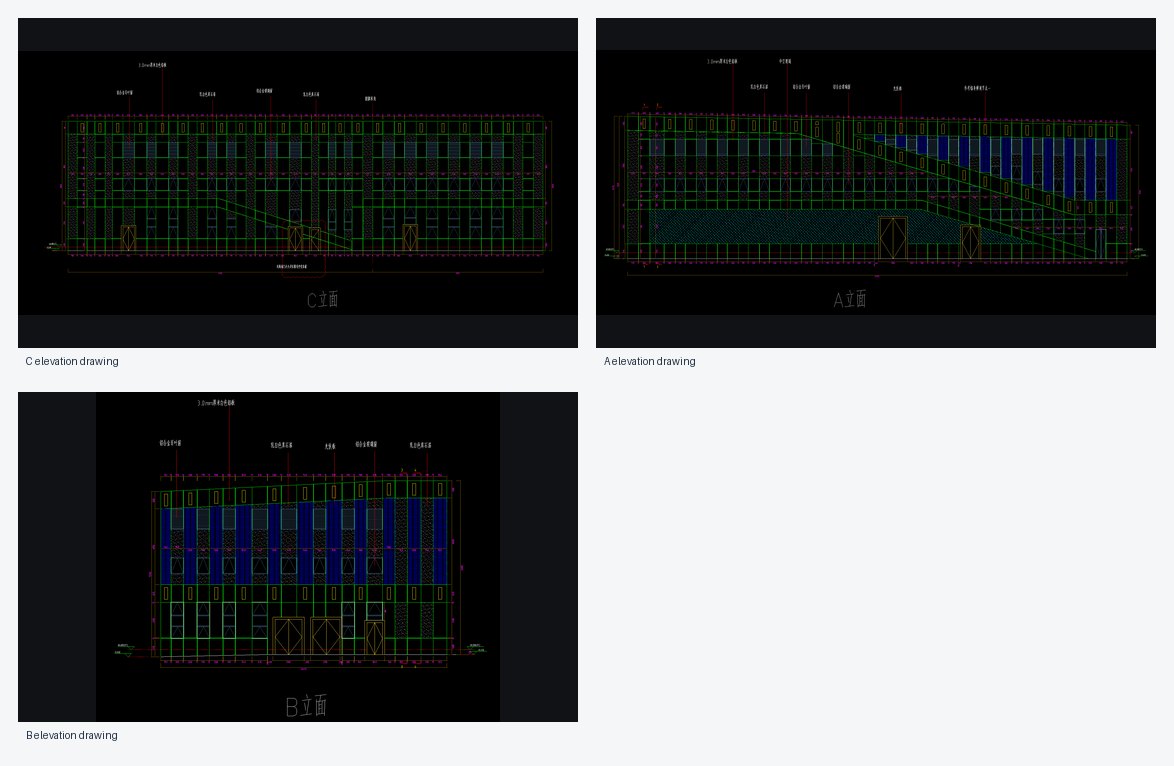
White solid aluminum panels form the curtain-wall areas across facades A, B and C, including window openings, entrances and rounded transitions.
View the full Hainan case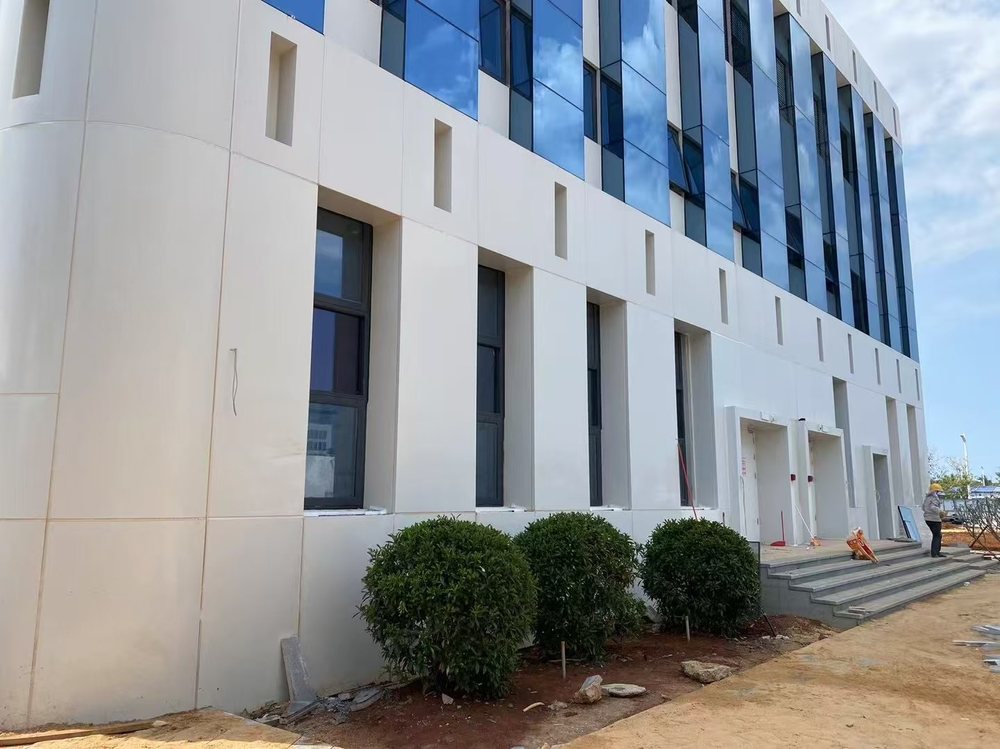
Case 02 · Folded geometry
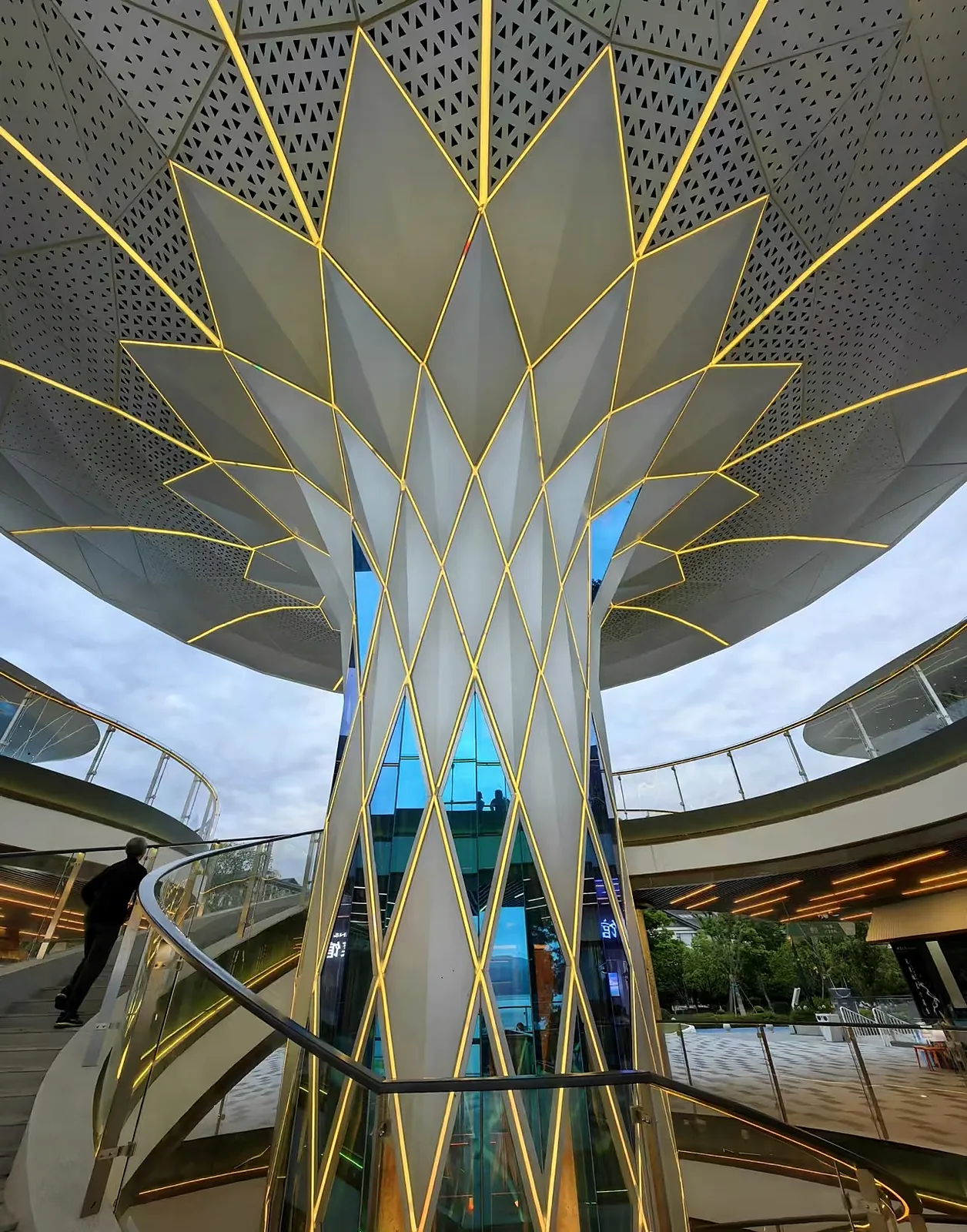
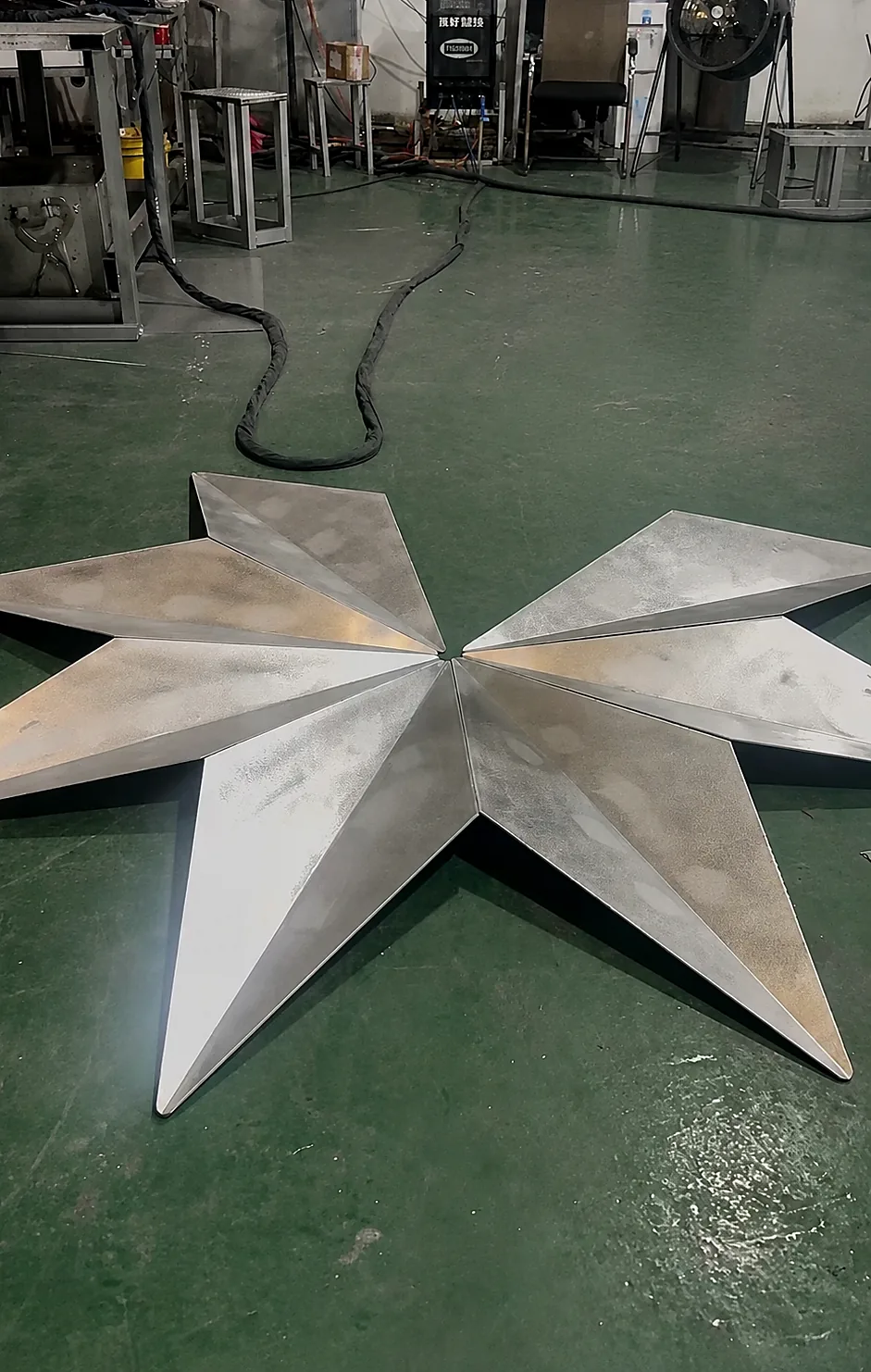
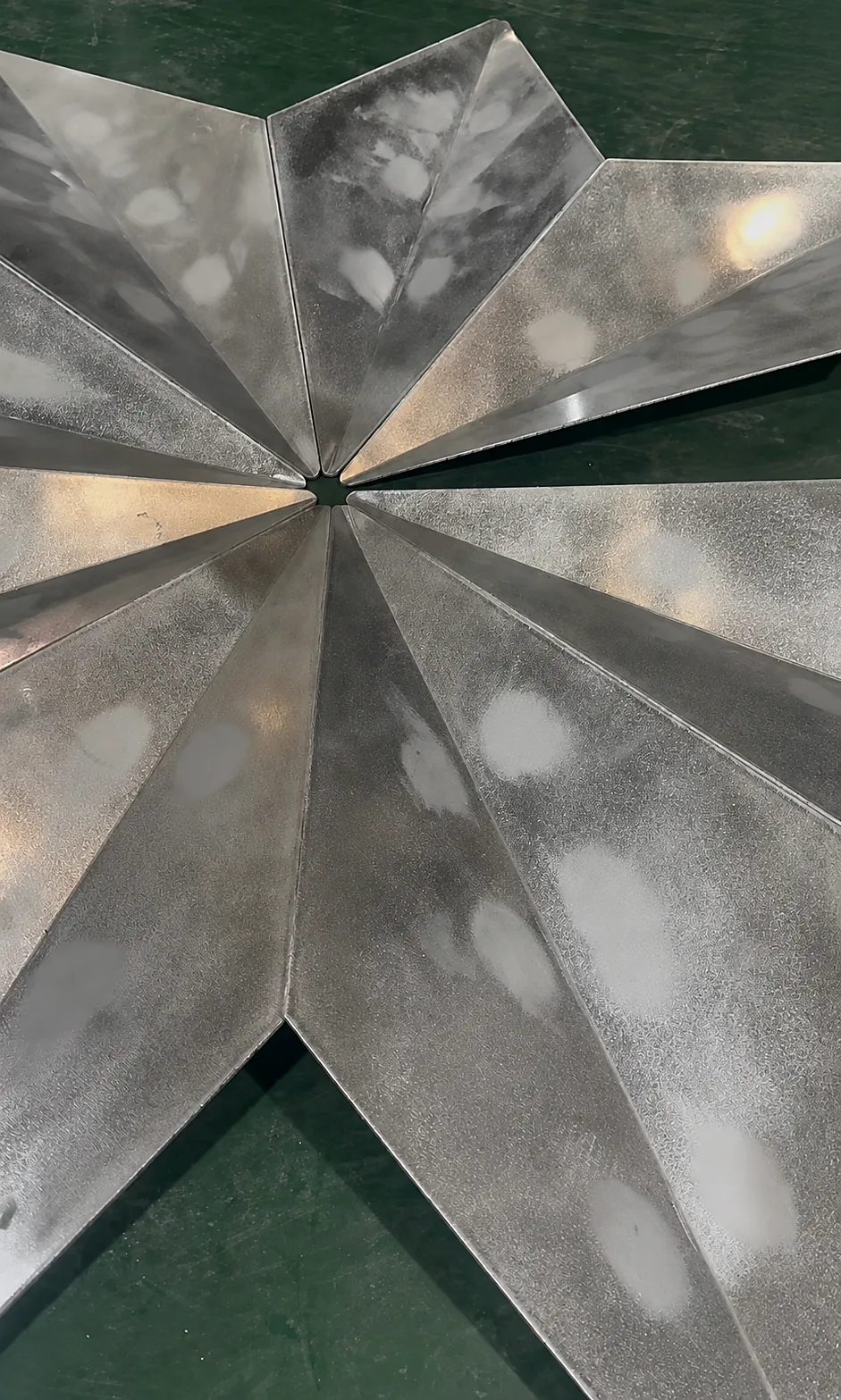
Guangzhou commercial plaza: 2.5 mm folded feature and canopy
The project connects detailing, segmented fabrication and workshop fit-up with the finished tree-form feature on site.
Quotation preparation
How to request an accurate solid aluminum panel quotation
A factory needs more than thickness and square meters. Connect each panel mark to the latest drawing, geometry, finish, quantity and project stage so different quotations can be compared on the same scope.
- Latest elevation, section, panel layout or CAD/PDF drawing.
- BOQ or panel schedule with panel marks and quantities.
- Panel length, width, folded return depth and radius where applicable.
- Proposed thickness—or clearly mark it “Not confirmed.”
- Surface finish, colour reference and sample status.
- Perforation, carving, curved or 3D geometry if applicable.
- Back reinforcement, bracket and interface information available in the drawings.
- Project stage, delivery country and packing or installation-sequence needs.
From factory to export project
Thickness is one part of a deliverable panel package
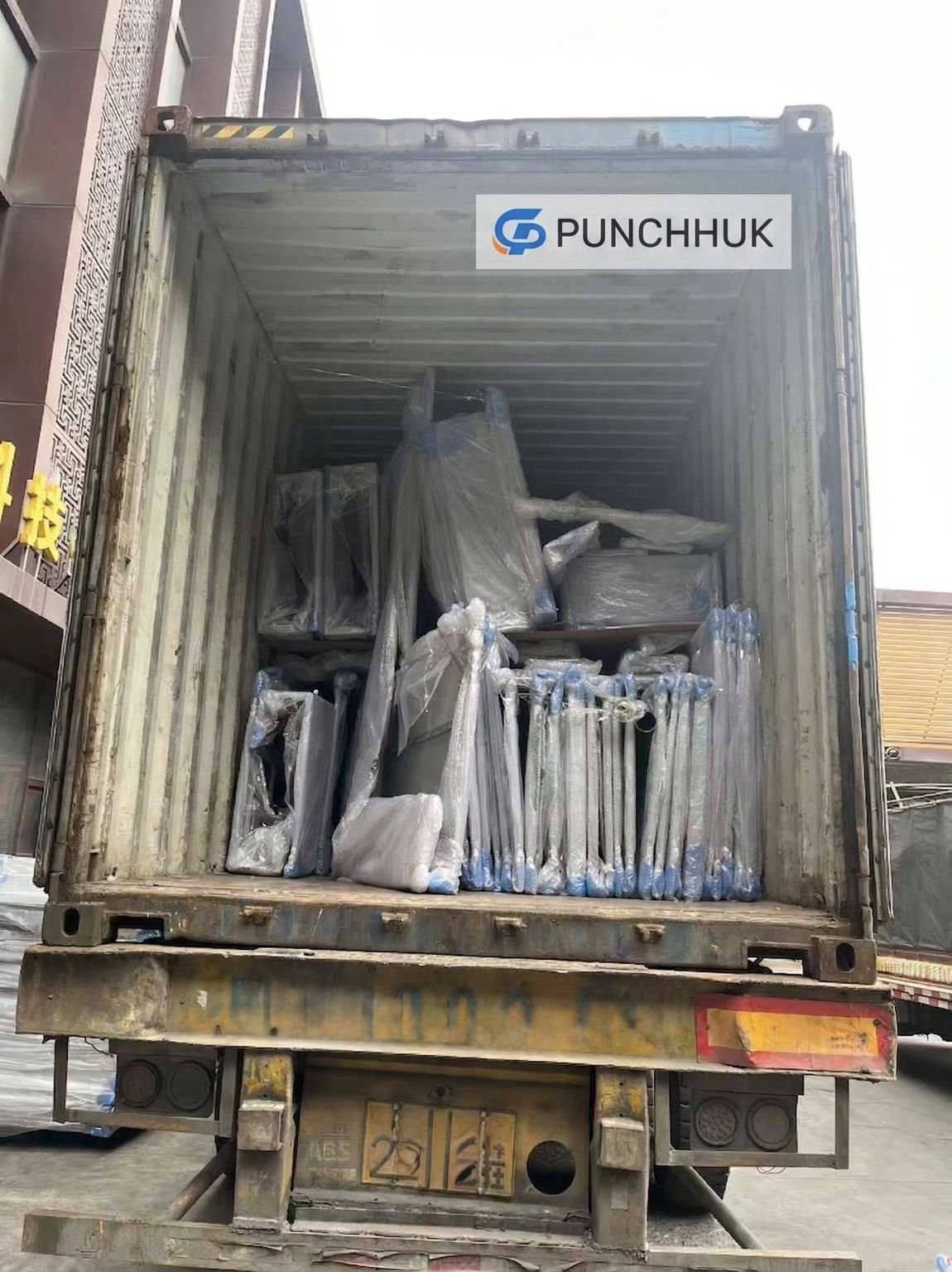
Drawings, panel numbers, surface protection, packing and loading also affect whether fabricated panels reach the project in usable condition.
Evidence boundary: these Malaysia images demonstrate project packing and container loading. They do not state a project thickness.
See the Malaysia project record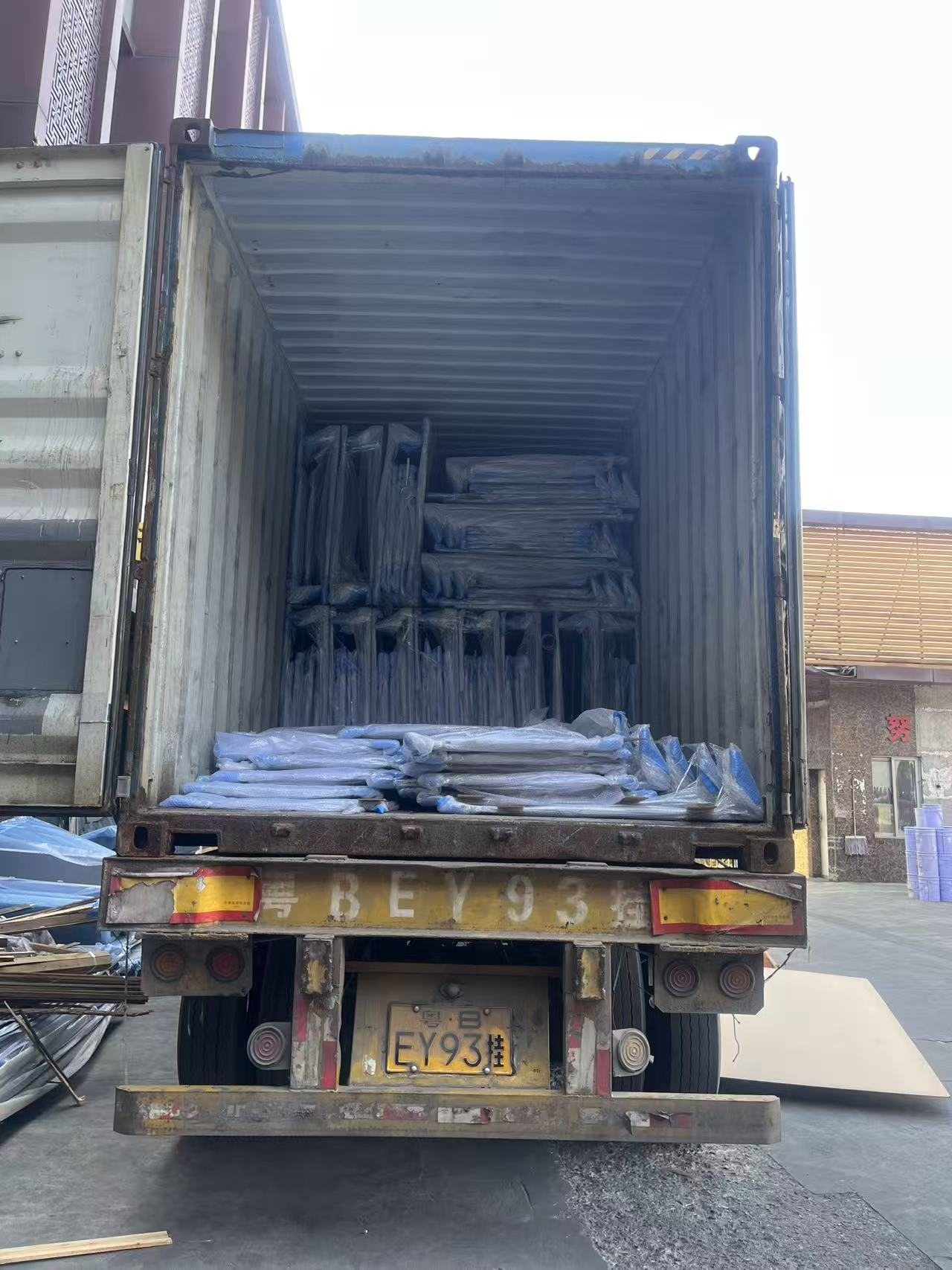
Quotation-ready input
Send the project information needed for a thickness review
If thickness is still open, state “Not confirmed.” Mark each item as confirmed, provisional or open before quotation review.
Include what you already have
- 01CAD or PDF drawings
- 02BOQ or panel schedule
- 03Quantity
- 04Proposed thickness
- 05Surface finish
- 06Project stage
- 07Delivery country
Opening a form or contact channel shows intent only. A project inquiry is confirmed after the information is received and reviewed.
Continue the buyer review
Related PUNCHUK resources
Use the specification guide for product context, the cases for project evidence and the RFQ guide when drawings or a BOQ are ready.
Buyer questions
Solid aluminum panel thickness FAQ
Short answers for specification review. Project engineering and approved drawings remain the final reference.
What thickness is commonly used for aluminum cladding panels?
Project buyers commonly compare 2.0 mm, 2.5 mm and 3.0 mm solid aluminum panels. The right thickness depends on panel size, wind input, fixing method, facade height, finish and the project specification.
Is 2.5 mm suitable for facade cladding?
It can be a practical starting point for many mid-size facade panels when panel size, folded edges, stiffeners, brackets and fixing details are designed together.
When is 3.0 mm commonly evaluated?
For larger facade modules, column covers, deeper forming or areas where the project requires higher stiffness. Connections, weight and the subframe must also be reviewed.
How do support spacing and stiffeners affect thickness?
Closer support spacing and correctly designed stiffeners can improve rigidity, but they do not replace project engineering or connection checks.
What information should buyers provide before confirming panel thickness?
Send drawings, panel size, application area, finish, quantity, project country and any available consultant or wind-load requirements for project review.
Before choosing thickness, check these 3 points first
- Wind load, span and fixings method for each panel area.
- Which color and finish is approved for the facade sample and who approves it.
- Whether your BOQ/project schedule already confirms install zone and opening details.
Please send one package for review: drawings or PDFs, BOQ or panel schedule, total area/quantity, proposed thickness (or “not decided”), finish, and project stage.
 Thai
Thai  English
  Arabic
  Spanish