
Việc lựa chọn nhà máy sản xuất tấm ốp nhôm không chỉ đơn thuần là so sánh giá đơn vị. Một nhà cung cấp đáng tin cậy cần phải am hiểu về bản vẽ kiến trúc, quy trình gia công tấm ốp, xử lý bề mặt, kiểm tra chất lượng và đóng gói trước khi vật liệu được vận chuyển đến công trường.
Hướng dẫn này giải thích quy trình sản xuất tiêu chuẩn tại nhà máy đối với các tấm ốp mặt tiền nhôm theo yêu cầu, bao gồm tấm nhôm đặc, tấm nhôm đục lỗ, tấm nhôm uốn cong và vật liệu ốp ngoại thất trang trí.
1. Kiểm tra bản vẽ và xác nhận vật liệu
Trước khi bắt đầu sản xuất, nhà máy cần rà soát các bản vẽ kiến trúc, bản vẽ thi công, bố trí tấm panel, phương pháp lắp đặt, kích thước tấm panel, độ dày, yêu cầu về hợp kim và bề mặt hoàn thiện. Đối với tấm nhôm đơn, các yêu cầu dự án thông thường thường bao gồm hợp kim nhôm như 1100 hoặc 3003, các tùy chọn độ dày từ 1,5 mm đến 5,0 mm và các loại hoàn thiện bề mặt như sơn phủ PVDF, sơn tĩnh điện hoặc anot hóa.
Thông số kỹ thuật chính xác phải luôn tuân thủ theo bản vẽ dự án và mẫu đã được phê duyệt. Điều này đặc biệt quan trọng đối với các tấm nhôm uốn cong, tấm chắn mặt tiền nhôm đục lỗ và các tấm có hình dạng đặc biệt, bởi vì phương pháp gia công và dung sai sẽ ảnh hưởng đến quá trình lắp đặt tại công trường.
2. Cắt, đục lỗ, uốn và tạo hình
From the drawing to the cut panel
This is PUNCHUK’s CNC cutting workshop. For a custom solid aluminium panel enquiry, include a typical panel drawing showing the outline, openings and folded returns. Identify the drawing revision and any details still awaiting approval so the quotation can distinguish confirmed requirements from open decisions.
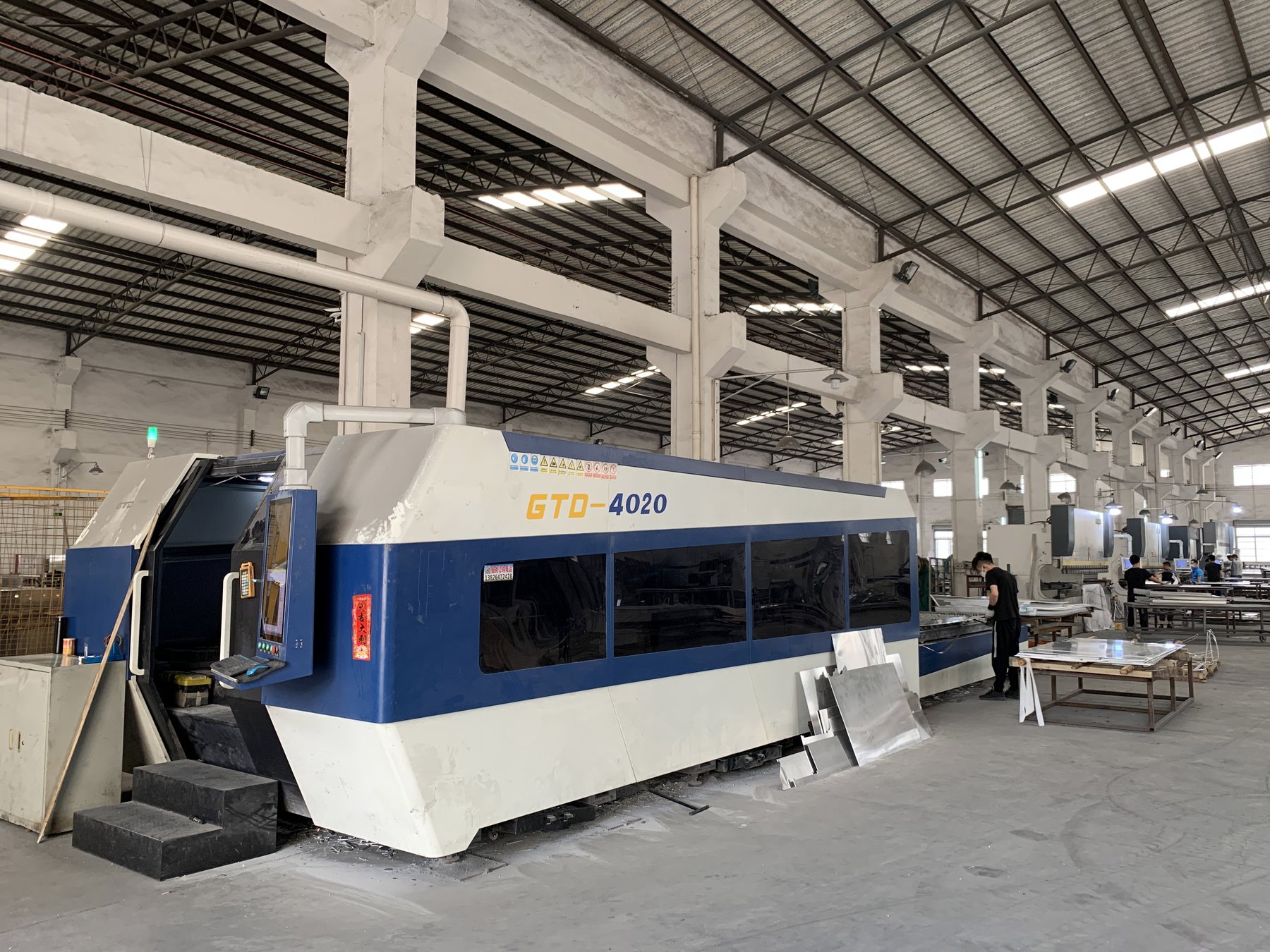
Sau khi bản vẽ được xác nhận, các tấm nhôm sẽ được cắt và gia công theo kích thước của tấm ốp. Tùy thuộc vào loại sản phẩm, nhà máy có thể sử dụng các công đoạn cắt CNC, đục lỗ, uốn, hàn, mài và tạo hình. Đối với tấm nhôm đục lỗ, cần phải kiểm soát chặt chẽ hơn về kích thước lỗ, diện tích hở, khoảng cách mép và sự căn chỉnh hoa văn.
Perforated panels before finishing
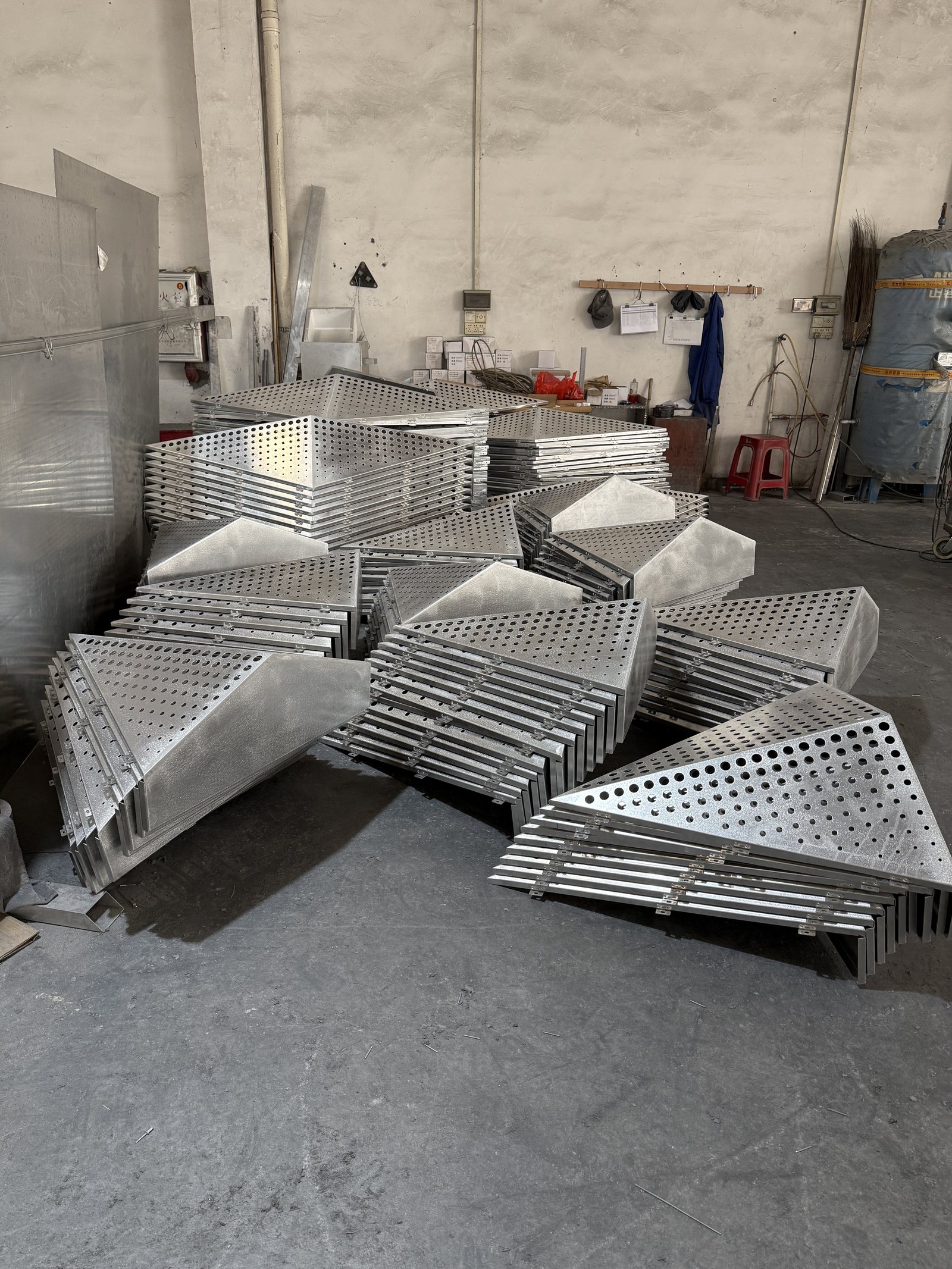
These perforated solid aluminium panels were photographed during production for PUNCHUK’s Malaysia hotel order. The image shows shaped edges and different panel outlines before the finished facade stage. For a similar package, identify the perforation pattern, edge margins and orientation on the panel drawing. Use the agreed drawing and inspection records—not the photograph alone—to check dimensions and acceptance.
3. Xử lý bề mặt và sơn phủ
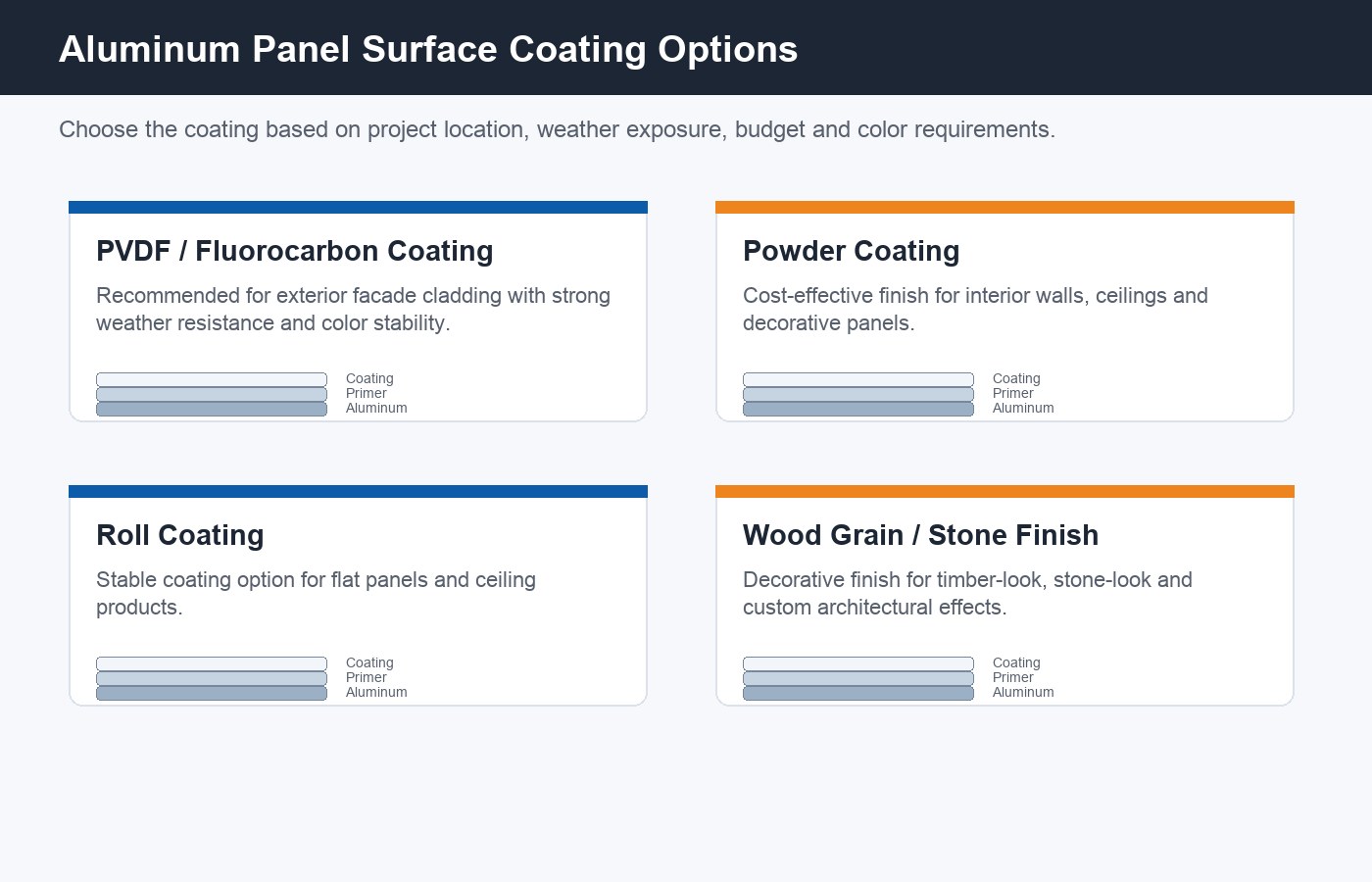
Các tấm ốp nhôm ngoại thất thường cần có lớp hoàn thiện bề mặt bền bỉ. Lớp phủ PVDF được sử dụng rộng rãi trong các dự án tường rèm và mặt tiền ngoài trời nhờ khả năng chống chịu thời tiết và giữ màu ổn định. Ngoài ra, có thể lựa chọn phương pháp sơn tĩnh điện hoặc anot hóa tùy thuộc vào thiết kế, ngân sách và điều kiện môi trường của dự án.
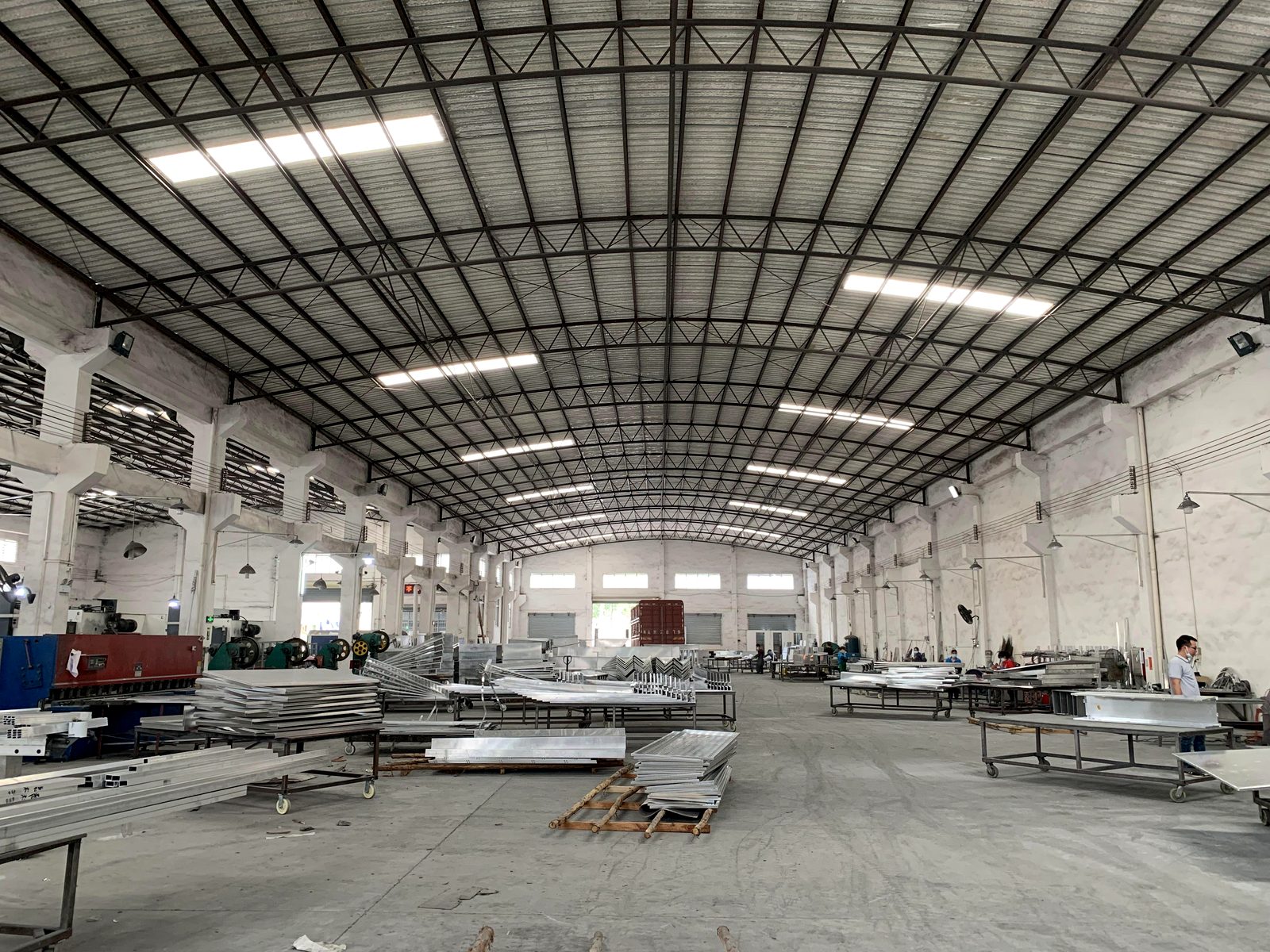
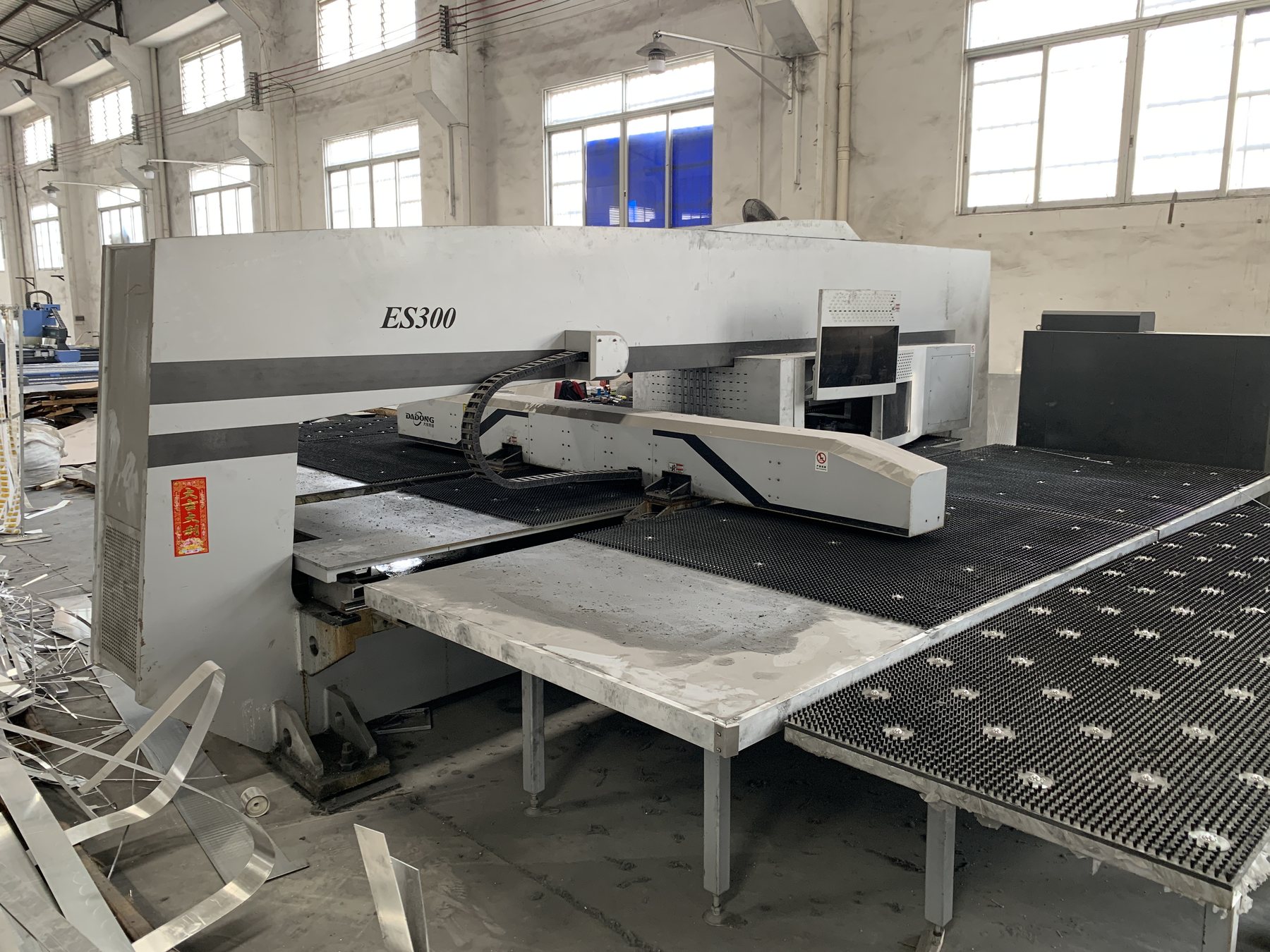
Cái nhìn tổng quan về xưởng sản xuất giúp khách hàng hiểu rõ hơn về năng lực sản xuất, quy trình xử lý vật liệu và môi trường làm việc đằng sau các đơn hàng ốp mặt tiền theo yêu cầu.
4. Kiểm soát chất lượng trước khi đóng gói
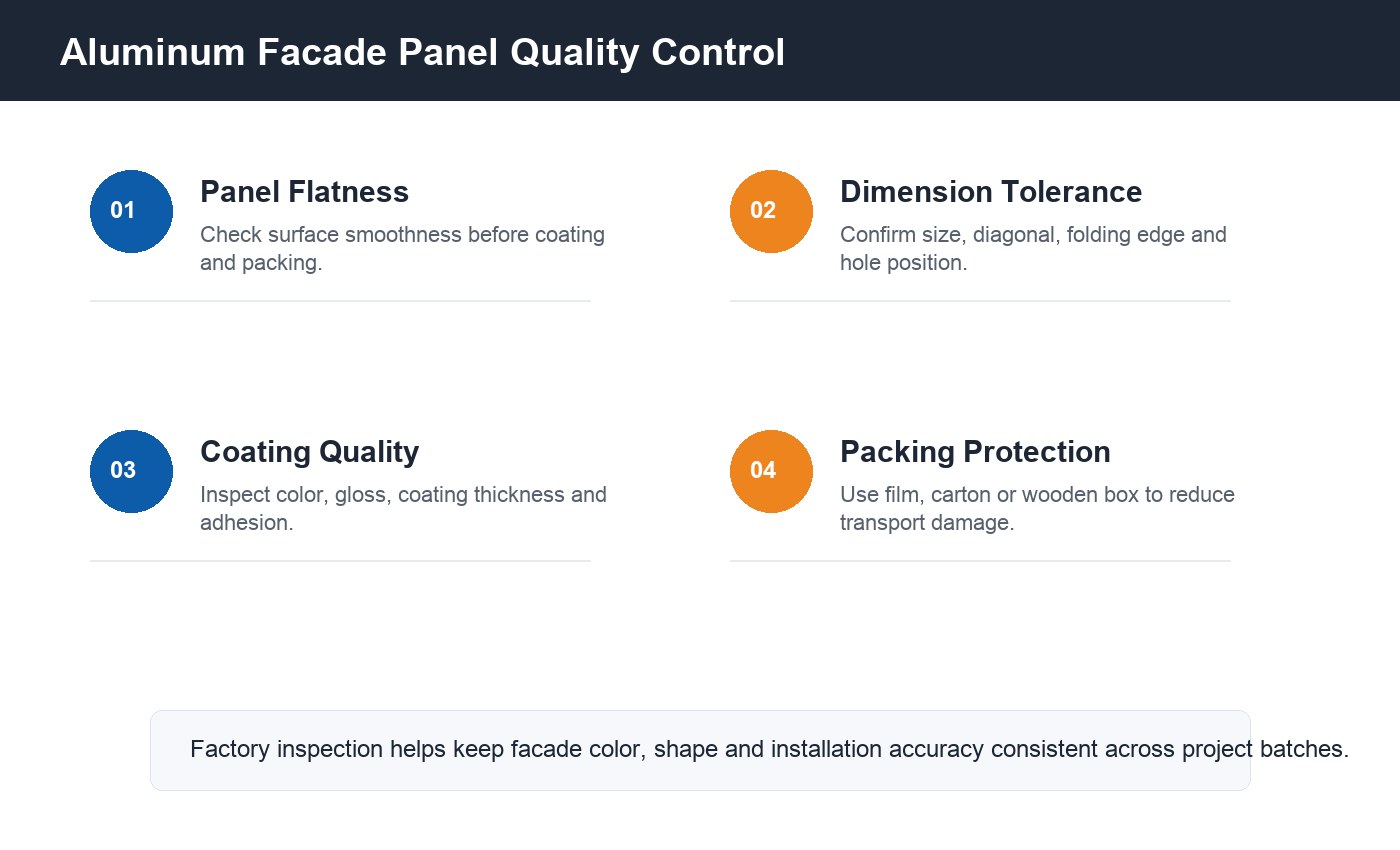
Bộ phận kiểm soát chất lượng cần kiểm tra các kích thước, độ chính xác khi uốn cong, dung sai đường chéo, chất lượng hàn và mài, màu bề mặt, hình thức lớp phủ, màng bảo vệ và tình trạng đóng gói. Đối với các đơn hàng xuất khẩu, việc đóng gói và dán nhãn rõ ràng sẽ giúp các nhà thầu xác định từng tấm theo trình tự lắp đặt.
Samples and production checks
Can I check a sample before ordering, and how is it linked to the bulk panels?
PUNCHUK has supplied project samples. The type, cost and timing depend on the item requested. A colour sample, a formed panel and an assembled mock-up answer different questions. Receiving a sample is not the same as approving it for production.
| Sample type | Useful for reviewing | Does not establish on its own |
|---|---|---|
| Finish or colour sample | The agreed colour, gloss and texture under agreed viewing conditions. | Full-panel geometry, fixing performance or every property of the finished coating. |
| Formed panel sample | Folds, edge returns, perforations, weld appearance where relevant, and dimensions against its drawing. | The fit of a complete facade or the acceptance of later production batches. |
| Mock-up or trial assembly | Selected joints, panel alignment and interfaces across a defined assembly. | Approval of unrelated parts, the whole building or structural performance without the specified verification. |
Connect approval to a traceable reference
For your order, agree a sample and inspection record before production. The following is a buyer checklist, not a statement that every PUNCHUK order includes the same tests or services.
- Identify the sample. Record its ID, panel mark or part type, drawing revision, thickness and finish reference. Separate “received”, “under review”, “approved” and “changes required”.
- Write down the approval. Name the approver, date and any limits or comments. Where a physical reference is needed for bulk comparison, agree who retains it and how it is identified.
- Link the bulk checks. Record the batch or panel marks against the approved drawing and sample reference. Agree the dimensions, formed details, appearance and packing checks, their criteria, who checks them and which records the buyer receives. Required performance tests need their own agreed scope.
- Resolve changes before release. A revised colour, drawing or panel detail may need another review. Record the affected parts and the decision; do not treat silence or a delivery receipt as approval.
- Match the dispatch records. Check the panel identifiers, accessory list, packing photos and packing list against the final order. Record cancelled or changed items rather than leaving them to a chat-history interpretation.
What the existing project evidence shows
Cái Guangzhou 2.5 mm folded-panel case records shop drawings and workshop assembly stages. The Hainan case records 3.0 mm panels with a white three-coat PVDF finish. These references explain why shape and finish need separate checks; project photographs do not replace signed approvals or inspection results.
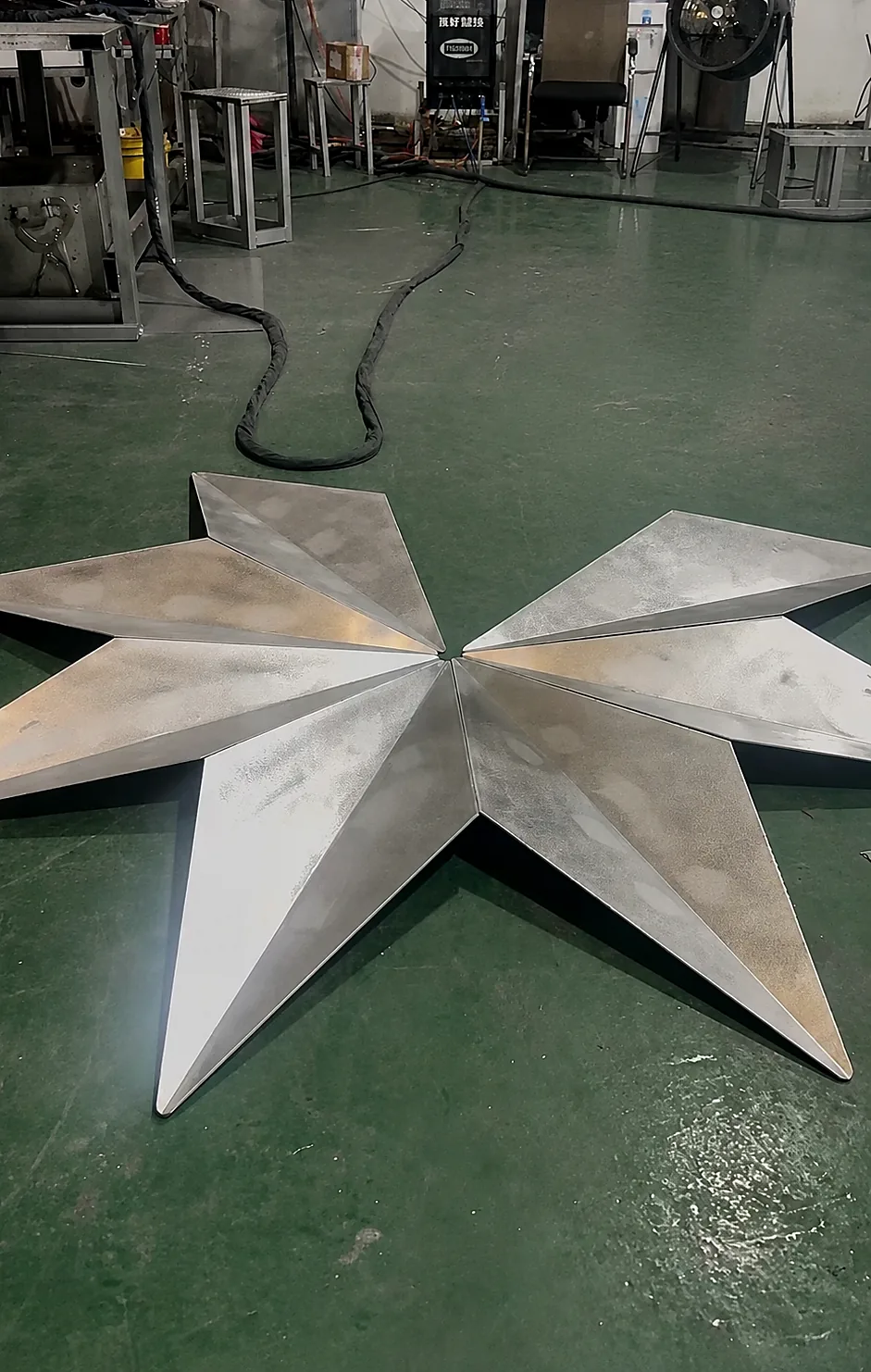
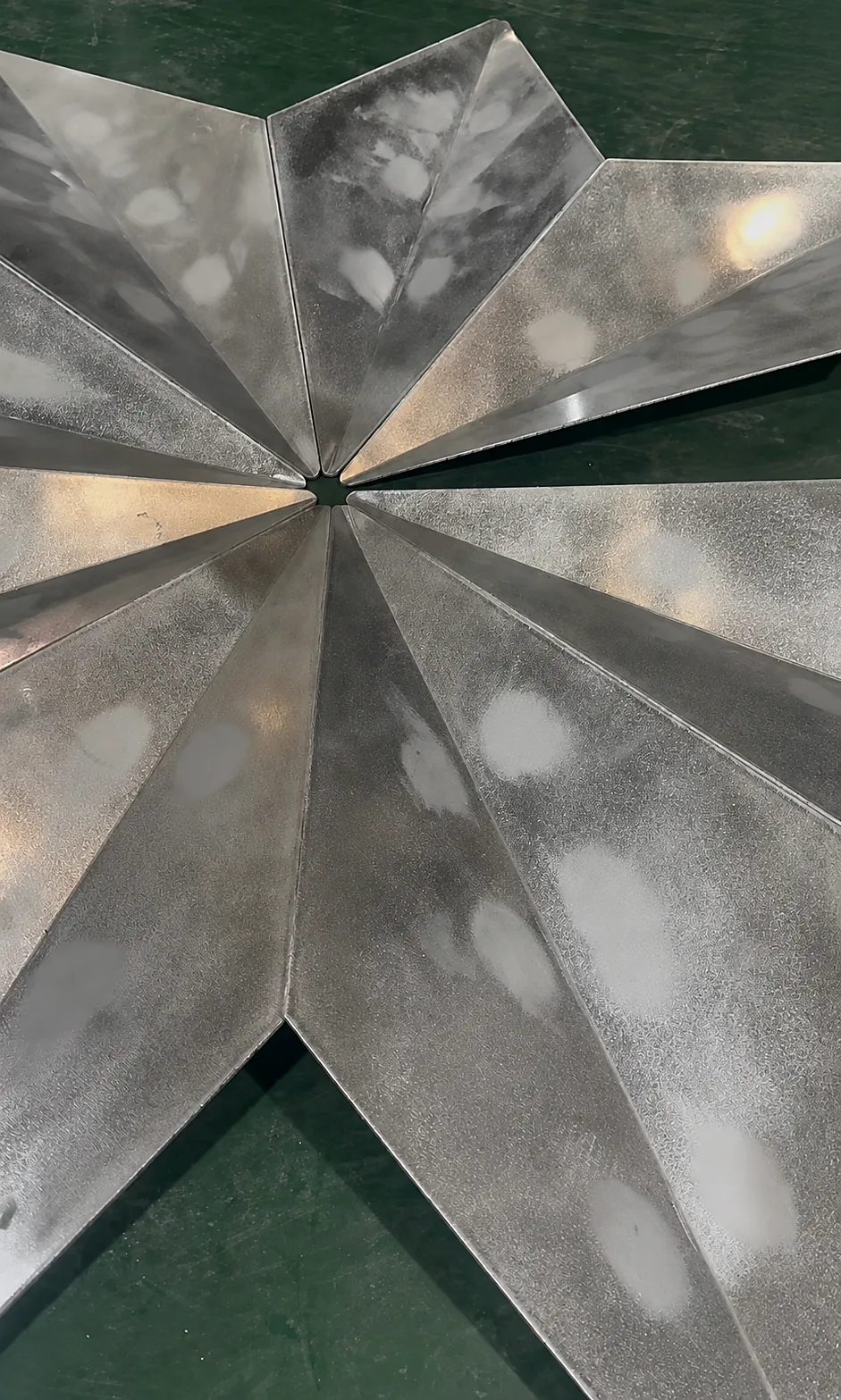
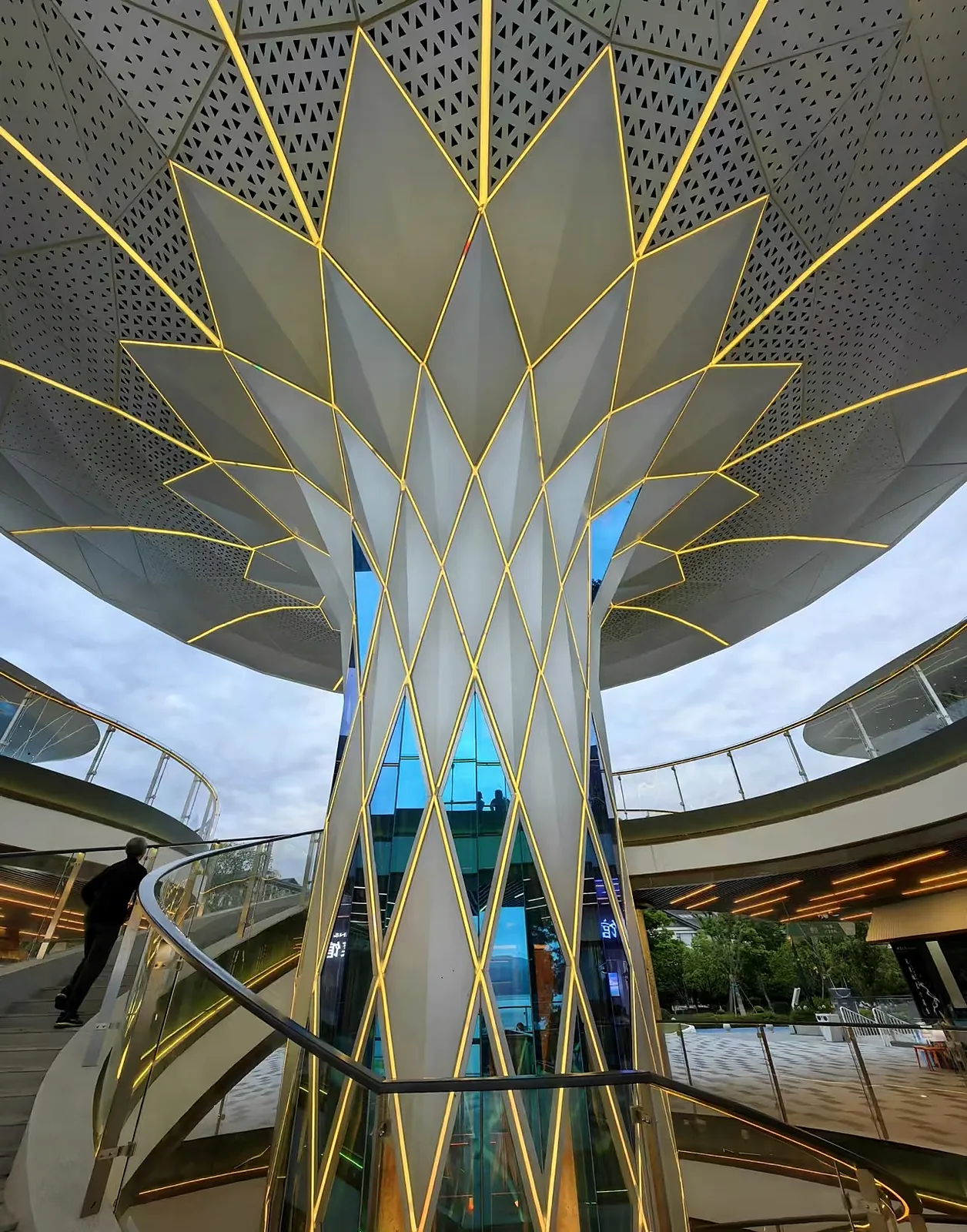
Review the factory capability information alongside the RFQ checklist. Sample dimensions, charges, freight and timing are confirmed for the requested item, not assumed from a general website example.
How are bulk solid aluminium panels checked for container loading?
For PUNCHUK’s bulk solid aluminium panel orders, panels are generally loaded directly into a shipping container rather than assigned individual numbered wooden crates. The packing arrangement should be agreed for the order.
Before dispatch, reconcile the panel quantities by packing-list item or agreed panel reference. List accessories and consumables separately so the shipment total is not mistaken for the number of aluminium panels. A packing-list column labelled “CTNS” does not by itself establish that the panels are packed in wooden crates.
Agree which records the buyer needs for receipt and unloading: the item quantities, loading photographs, and any grouping or unloading sequence required for the site. Container and seal references can be shared privately with the shipment documents where applicable.
Distinguish calculated packing volume and weight from measured shipment figures. Confirm the basis before using them for transport planning. A packing list records declared shipment details; it does not replace inspection results or prove how every panel was physically loaded.
Send your drawings, BOQ or panel schedule, panel quantity, proposed thickness, finish, project stage and delivery country. Tell us about site access and unloading requirements when requesting a packing review.
5. Điều phối công trường và hỗ trợ lắp đặt
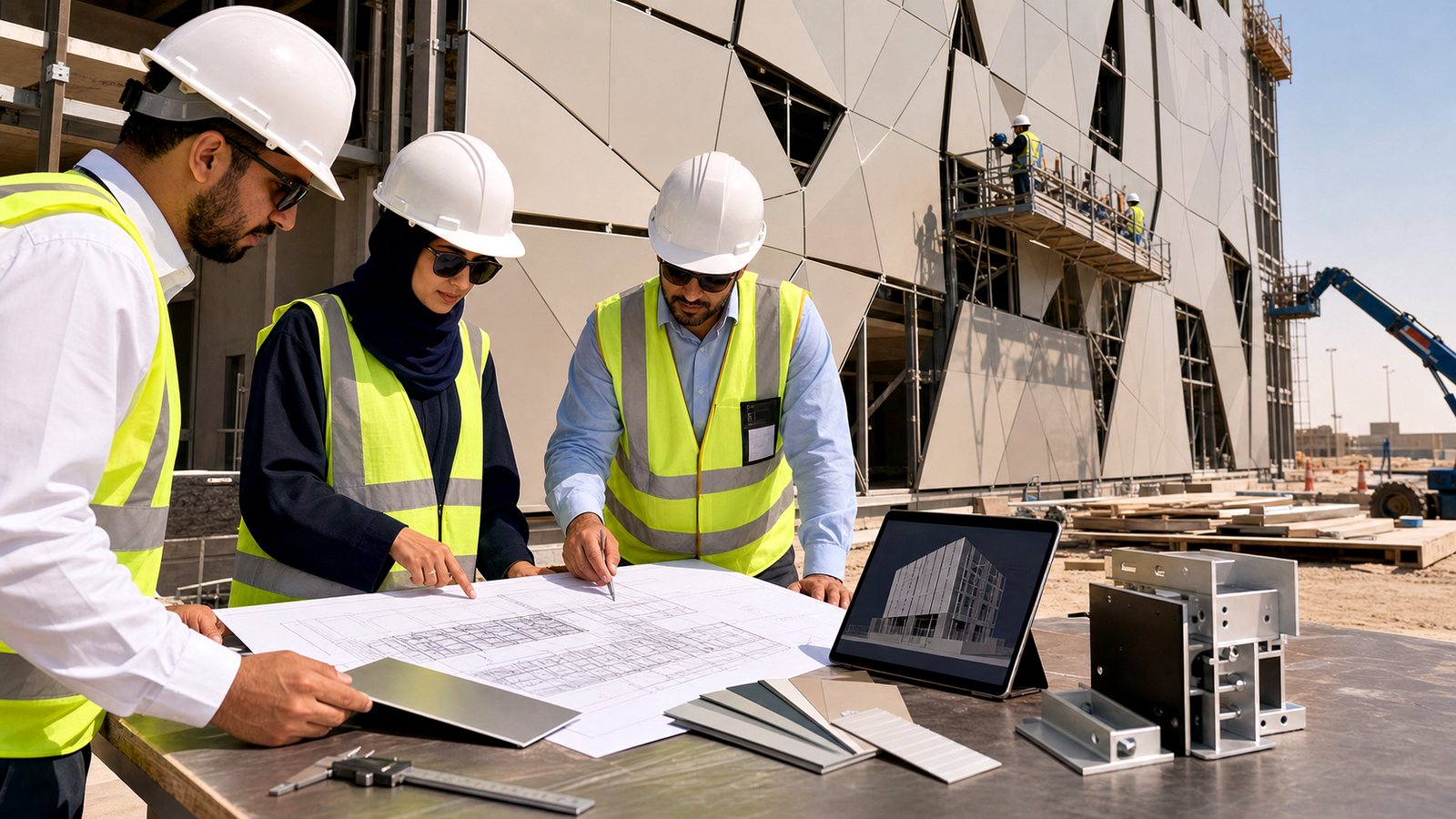
Sản xuất tại nhà máy chỉ là một phần của dự án lắp đặt mặt tiền. Sự phối hợp chặt chẽ giữa chủ đầu tư, đơn vị thi công và nhà máy sẽ giúp giảm thiểu các vấn đề liên quan đến giá đỡ, khung phụ, mối nối tấm ốp và việc thay thế tấm ốp. Khi bản vẽ, mẫu hoàn thiện và danh sách đóng gói được quản lý chặt chẽ, quá trình lắp đặt tại công trường sẽ diễn ra nhanh chóng hơn.
Hướng dẫn về nhà máy và vật liệu liên quan
Để xem thêm hình ảnh về dự án, hãy truy cập Nhà máy sản xuất tấm nhôm và bộ sưu tập dự án. Để đánh giá độ bền của lớp phủ, hãy so sánh Tấm nhôm phủ PVDF dùng cho ốp mặt tiền ngoại thất.
Hợp tác với Punchuk
Punchuk cung cấp các tấm ốp mặt tiền bằng nhôm theo yêu cầu cho các nhà thầu, kiến trúc sư và nhà nhập khẩu. Để so sánh các lựa chọn sản phẩm, vui lòng truy cập sản phẩm tấm ốp mặt tiền bằng nhôm, xem nhà máy và phòng trưng bày dự án, hoặc liên hệ Punchuk cùng với bản vẽ và yêu cầu dự án của quý vị.
Hướng dẫn liên quan
Để lựa chọn sản phẩm sau khi xem xét tại nhà máy, vui lòng đọc Tấm ốp nhôm cho các dự án mặt tiền ngoại thất.
 Vietnamese
  English
  Malay
Malay  Indonesian
  Arabic
  Thai
Thai  Chinese
  Russian
  Kazakh
  Spanish