
Modern city projects across Southeast Asia, Japan, Korea, Australia, Taiwan and fast-growing African markets often need aluminum facade cladding that can balance appearance, weather resistance, fabrication accuracy and installation efficiency. For a manufacturer such as Punchuk, these markets are practical targets because many projects require custom solid aluminum panels, perforated aluminum panels, PVDF-coated facade panels, column covers, baffle ceilings and project-specific shop drawings rather than only standardized commodity sheets.
The reference images below are not Punchuk completed projects. They are included as regional application references to show the type of facade language, panel geometry and urban building scale that can be supported by custom aluminum cladding systems.
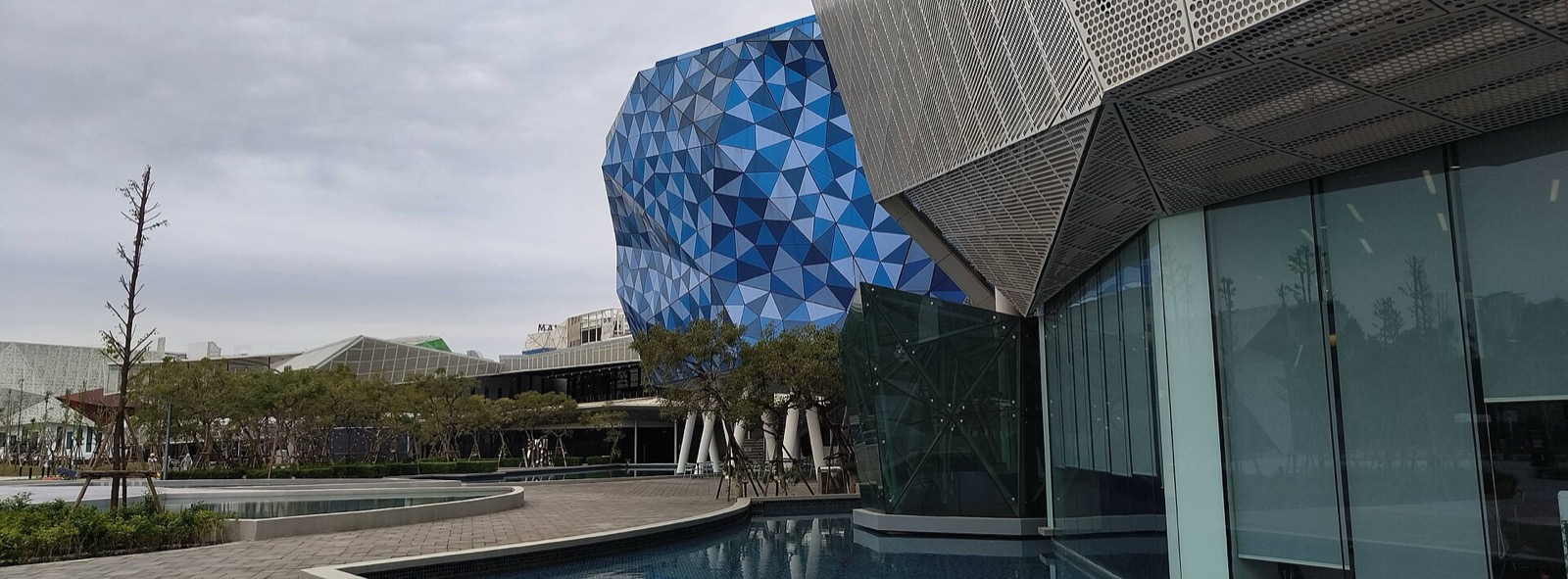
Southeast Asia: humid climate, color stability and sun control
In Southeast Asian cities such as Singapore, Ho Chi Minh City, Hanoi, Kuala Lumpur, Manila and Bangkok, facade materials must handle heat, humidity, heavy rain and strong sun exposure. Aluminum facade cladding is useful because the material is lightweight, corrosion resistant and can be finished with PVDF coating for stronger color retention on exterior elevations.
For these projects, панели из цельного алюминия are often suitable for clean wall areas, folded edge panels and curved shapes. Перфорированные алюминиевые панели can add sun shading, airflow and identity to schools, hotels, transport buildings, shopping centers and office facades. The key is to confirm open area, fixing points, back-frame details and coating requirements before mass production.
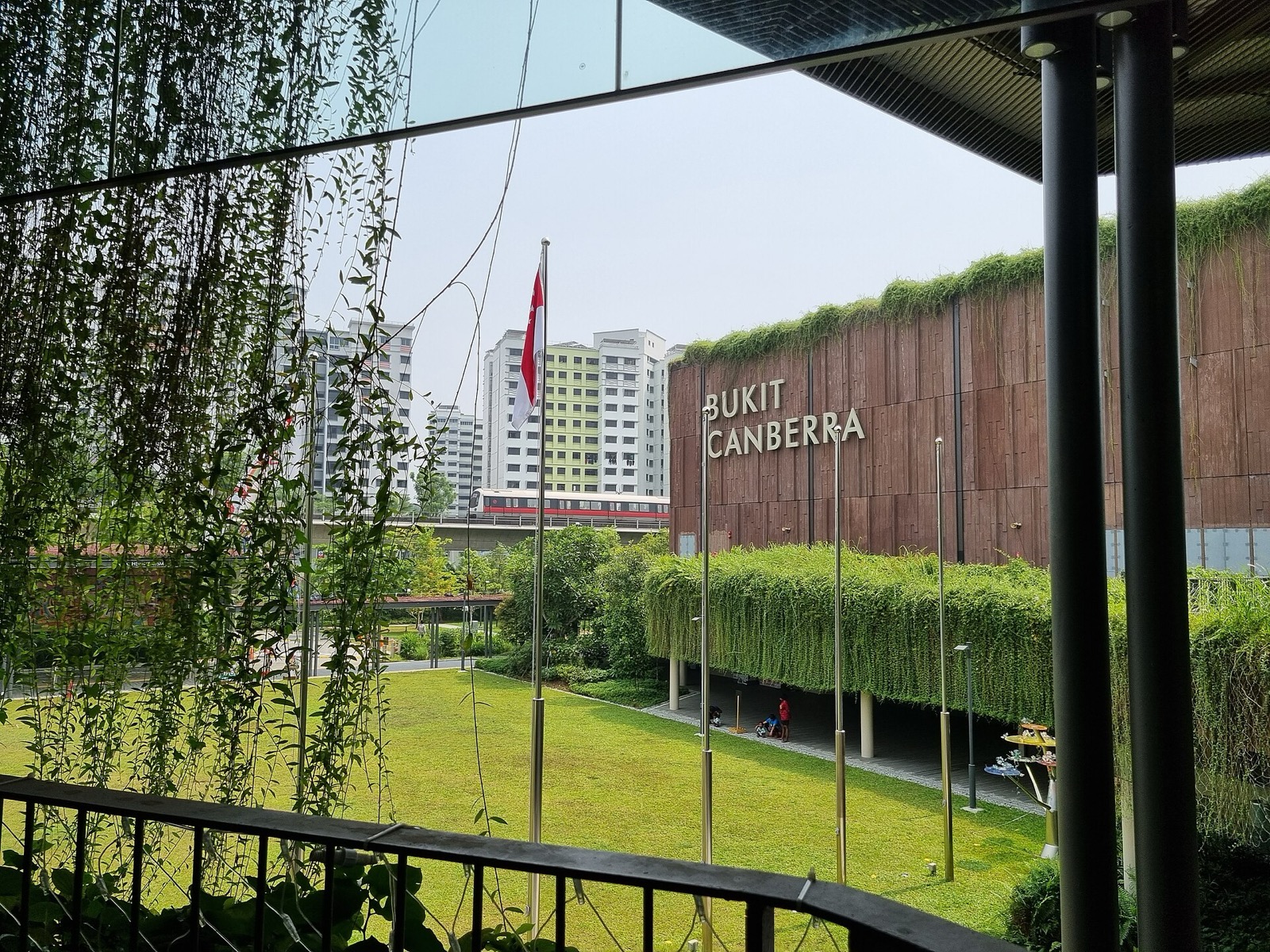
Japan and Korea: precision, joints and architectural geometry
Japan and Korea often place a high value on precise facade joints, clean corners and carefully controlled panel geometry. This is a good match for CNC-cut aluminum panels, folded aluminum single panels, welded corners, 3D facade panels and custom perforated patterns. Even when the final design looks simple, the fabrication tolerance and installation sequence can be demanding.
For projects inspired by Japanese or Korean design language, Punchuk should emphasize shop drawing review, sample approval, consistent coating color, protected packing and panel numbering. Factory process and quality control become important selling points because the buyer needs confidence that the approved sample can be repeated across all elevation zones.
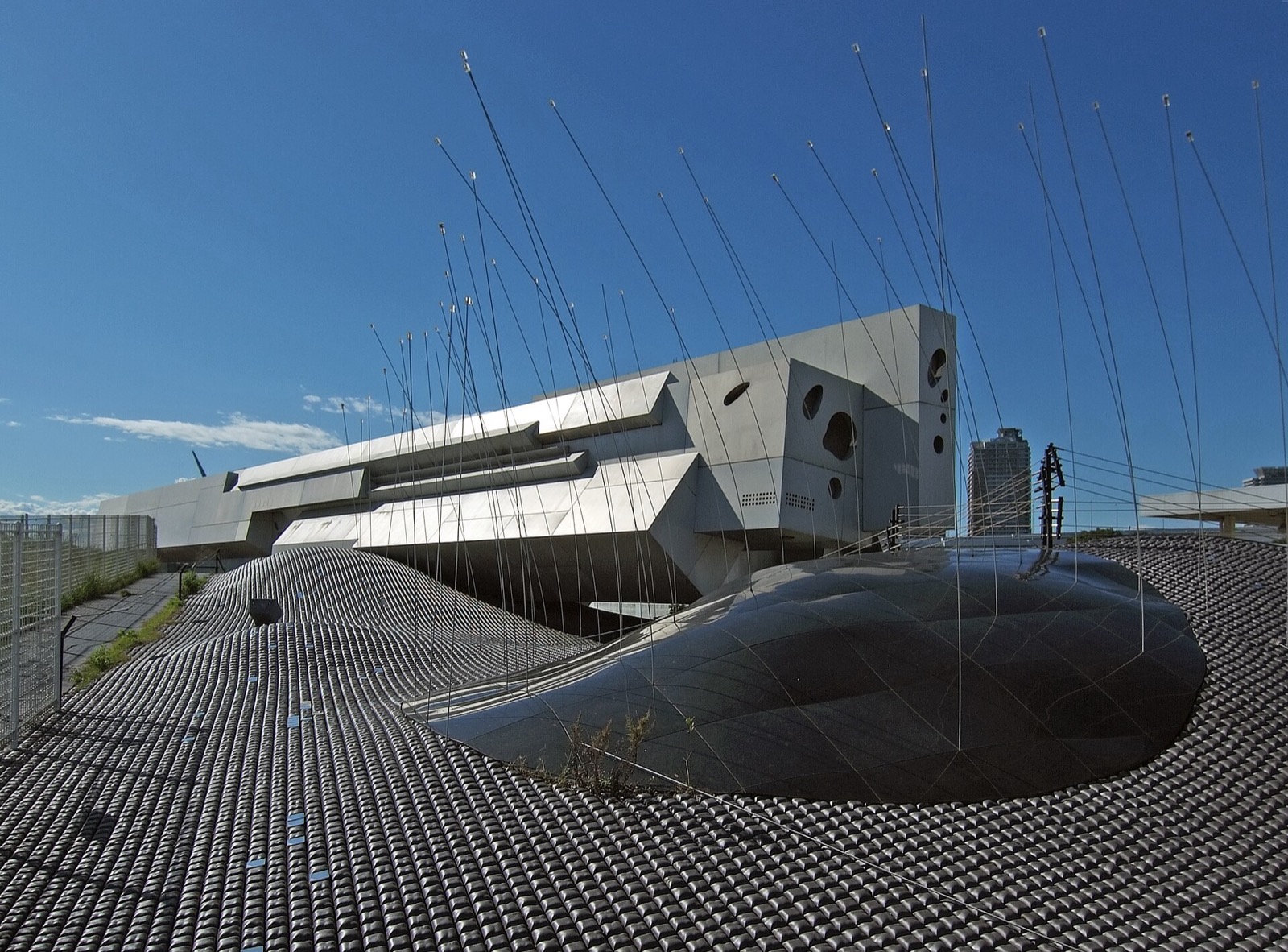
Australia: coastal exposure, compliance mindset and durable finishes
Australian commercial projects often focus strongly on durability, fire performance, coastal exposure and long-term maintenance. For exterior aluminum wall panels and facade cladding, coating selection matters. PVDF or fluorocarbon coating is commonly considered for exterior applications where UV resistance and color stability are important, while powder coating can be suitable for many protected or interior-facing areas.
For buyers in Sydney, Melbourne, Brisbane, Perth and other coastal cities, it is useful to present material options clearly: aluminum alloy, panel thickness, finish type, color sample, fixing method, reinforcement and packing plan. See also the Руководство по алюминиевым панелям с ПВДФ for finish selection.
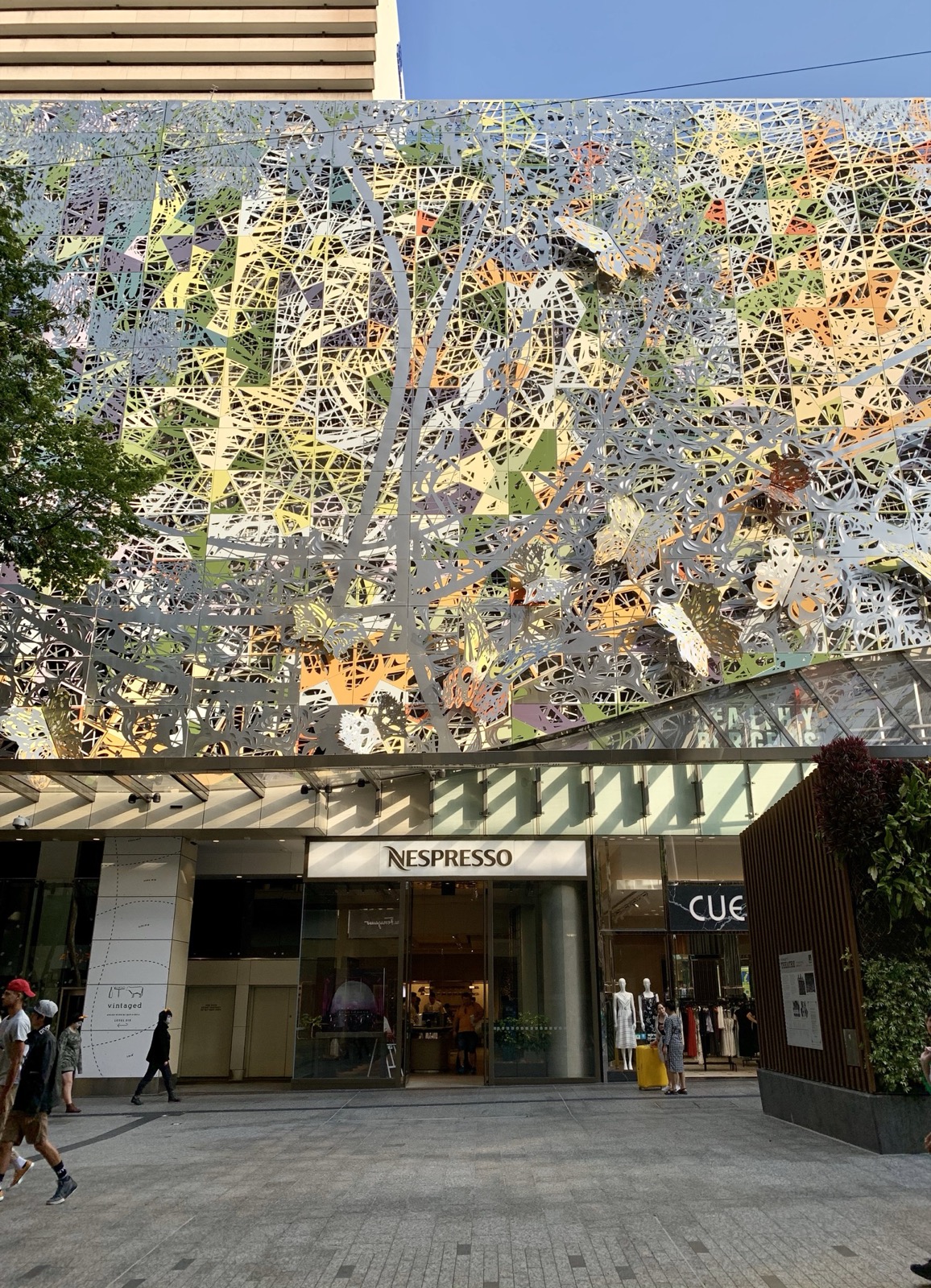
Taiwan and dense city facades: lightweight panels and renovation potential
Taiwanese city projects often involve dense streets, limited installation space and mixed building types. Lightweight aluminum cladding panels can be useful for renovation facades, cultural buildings, retail fronts and public buildings where a new exterior layer must be visually strong but manageable for installation teams.
For these applications, the product conversation should include wall flatness, waterproofing interfaces, back ventilation, fixing brackets and site measurement before production. Custom laser carved aluminum panels, 3D panels and solid aluminum panels can help create a distinctive facade while keeping the system lighter than many stone or precast alternatives.
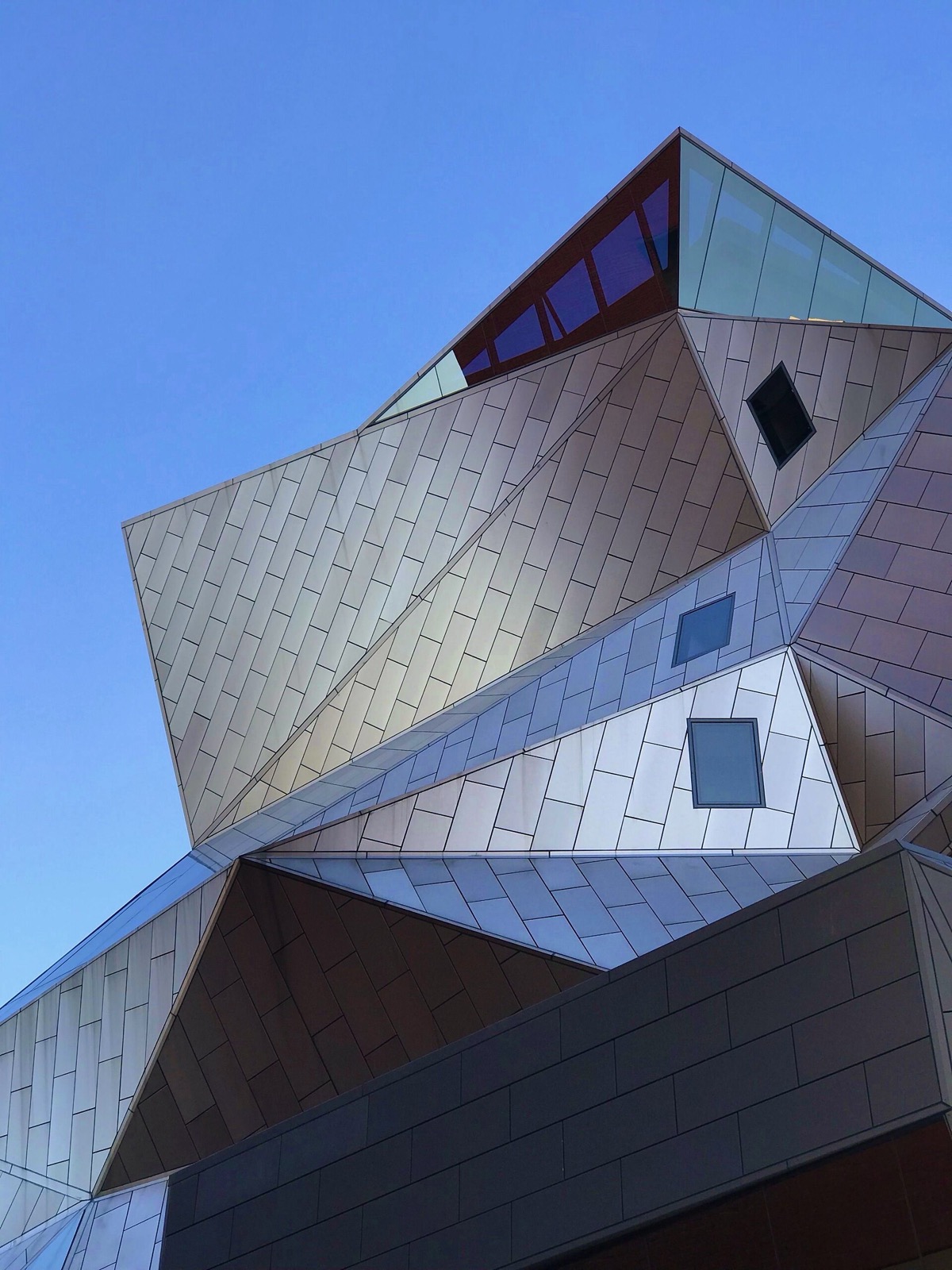
African city projects: heat, shading and practical specification support
Developed urban centers in Africa, including Johannesburg, Cape Town, Nairobi, Lagos and Accra, use many glass curtain wall and metal facade systems for offices, malls, hotels and public buildings. For these markets, aluminum facade panels can support sun shading, entrance features, soffits, column covers and decorative screen walls around glazed elevations.
The best content angle for these buyers is practical support: drawing review, coating recommendation, packing protection, export documentation and installation-friendly panel numbering. In hotter climates, perforated aluminum screens and aluminum baffle systems can help create shaded exterior zones and reduce visual glare while still giving the building a modern appearance.
Specification checklist for regional facade buyers
- Confirm whether the project needs solid aluminum panels, perforated panels, 3D panels, column covers, baffle ceilings or a mixed facade package.
- Check exterior exposure: coastal air, UV level, rain, humidity and maintenance requirements.
- Choose the surface finish: PVDF coating, powder coating, anodizing or wood grain effect based on project environment.
- Provide drawings with panel sizes, folded edges, corner details, holes, brackets and reinforcement requirements.
- Approve physical samples before production, especially for color, gloss, perforation and folded geometry.
- Use clear labels, protective film and export packaging so installers can identify each panel quickly on site.
Related Punchuk aluminum panel resources
For product selection, start with алюминиевые облицовочные панели, алюминиевые стеновые панели, перфорированные алюминиевые панели и 3D-панели из алюминия. For deeper project reading, see the solid aluminum panel manufacturer guide и заводская и проектная галерея.
 Russian
  English
  Vietnamese
  Malay
Malay  Indonesian
  Arabic
  Thai
Thai  Chinese
  Kazakh
  Spanish