Quick answer: Choose aluminium honeycomb panels when large modules, a flat appearance, stiffness-to-weight and lower dead load are priorities. Specify the complete assembly: overall thickness alone does not define structural, bond, fire or durability performance.
Design Coordination
Confirm the panel grid, maximum module size, joint width, support spacing, folded returns, edge closures, inserts and fixing points before production. The design team should also review wind or service loads, allowable deflection, drainage, thermal movement, dissimilar-metal isolation, coating exposure and access for installation or replacement.
Common Construction and Thicknesses
Common RFQ starting points include overall thicknesses near 10, 15, 20 or 25 mm and aluminium face sheets around 0.8–1.5 mm. Core cell size, foil gauge, alloy, bond system and edge treatment also affect the assembly. These figures are general discussion ranges, not project recommendations. Final construction must follow the architect, engineer or consultant specification, structural checks, local code, fire requirements and any required tested-assembly documentation.
Production, Inspection and Packing
Punchuk can review drawings and agreed samples before material preparation. Depending on the construction, production may include face-sheet preparation, core cutting, bonding and pressing, curing, trimming, routing, folded-edge or insert work and edge closure. Inspection can cover dimensions, diagonals, flatness, surface condition, colour, edge details and agreed bond or insert checks. Finished panels are protected, identified and packed according to the shipment plan.
Applications
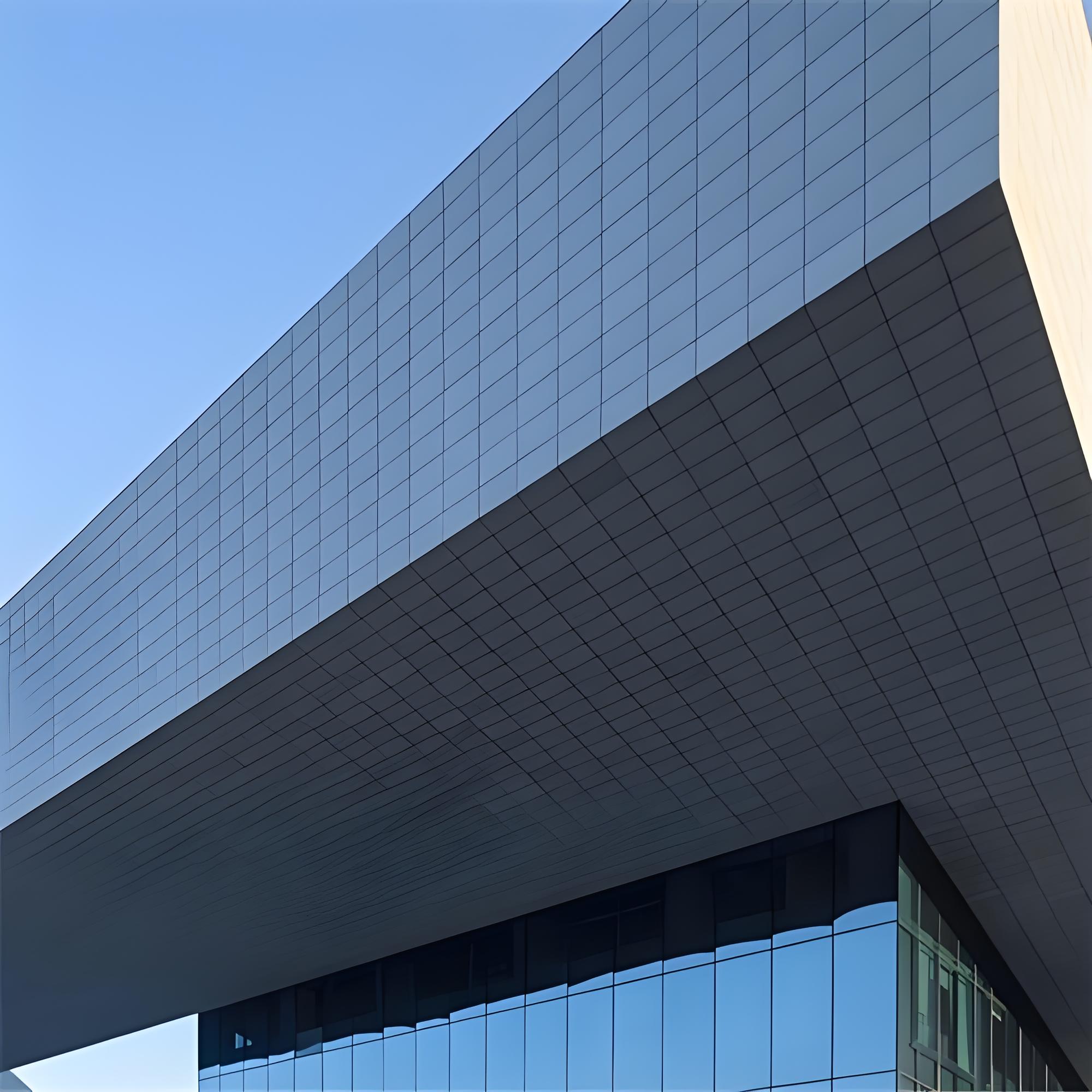
- Large-format facade and curtain-wall cladding modules
- Canopies, soffits and entrance features
- Ceilings, partitions and interior wall panels
- Transport, lobby and public-space interior panels where low weight is useful
RFQ Checklist
Send drawings and a panel schedule; module sizes and tolerances; overall and face-sheet thicknesses; core requirement; finish, colour and gloss; joint and edge details; supports, inserts and fixing concept; performance or fire requirements; quantity; project country; packing method and delivery schedule.
Compare related options: aluminium composite panels, solid aluminium panels, send project requirements for review.


 English
  Malay
Malay  Indonesian
  Arabic
  Thai
Thai  Chinese
  Russian
  Kazakh
  Spanish